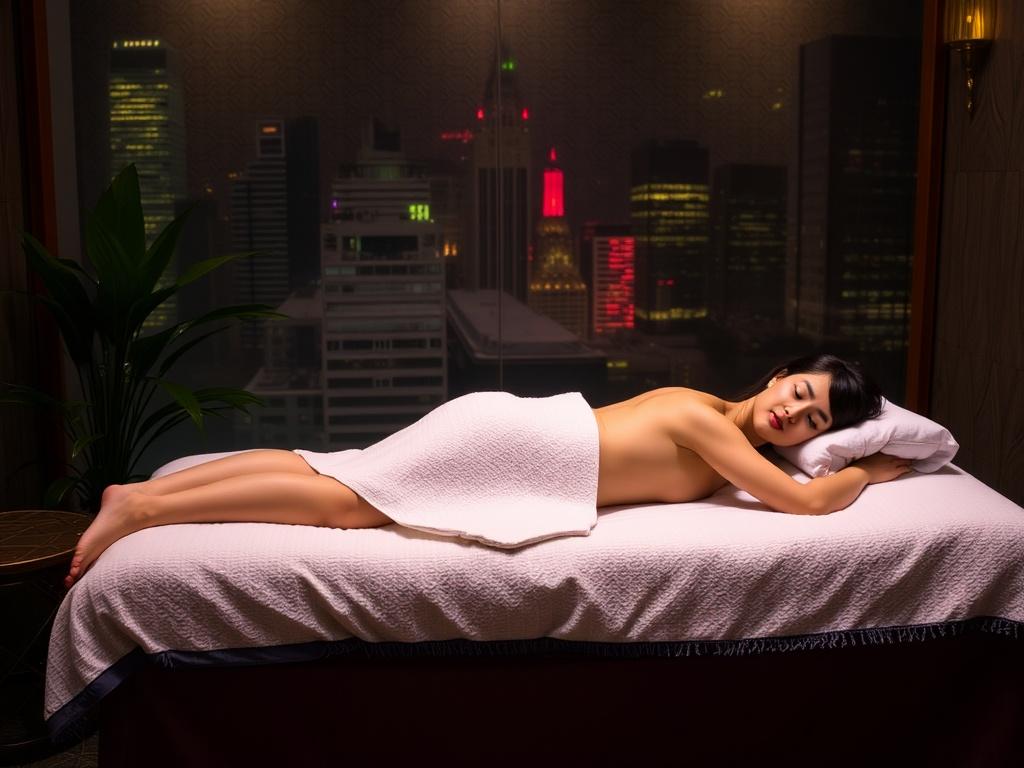

Walking the streets of New York City, you’ll see signs for many types of massage and bodywork. Among them, establishments offering “Asian body rubs” are a familiar sight in some neighborhoods. The phrase can mean different things to different people: a traditional therapeutic treatment, a culturally specific technique, or, sometimes, a euphemism for erotic services. That ambiguity is why it pays to be informed before you step inside.
This article explains what the term often refers to, how to tell reputable places from risky ones, what to expect in terms of hygiene and safety, and how to find licensed therapists or legitimate alternatives. I’ll keep it practical and respectful, so you can make choices that align with your comfort and the law.
What the Term Typically Means and Where It Comes From

The words “Asian body rub” are used in many ways. In some cases they point to massage styles with roots in East and Southeast Asia—think Thai stretching, shiatsu, or acupressure—while in other contexts the term is used more as marketing terminology without a clear relation to technique. Because the phrase is broad, it doesn’t guarantee a particular credential or standard of care.
Historically, Asian bodywork traditions were developed around principles of energy, breath, and alignment. In a bustling city like New York, those traditions have been adapted by practitioners from diverse backgrounds. At the same time, the term has also been co-opted by businesses that emphasize adult or sexual services. That dual use is why looking beyond the sign is essential.
Understanding the Legal and Regulatory Landscape in New York City
Laws and enforcement around massage and adult services vary by city and state, and New York is no exception. Legitimate therapeutic massage is typically offered by licensed or certified practitioners who follow sanitary rules, carry liability insurance, and operate in visibly professional settings. Conversely, businesses that offer or solicit sexual services may be subject to criminal statutes and regulatory action.
Because regulations change and enforcement priorities shift, a helpful habit is to check for visible credentials and local reviews. If a business lists a state license number, professional association membership, or certifications from recognized training programs, that’s a good sign. If a place refuses to discuss credentials, has ambiguous advertisements, or pressures customers into additional services, treat that as a red flag and consider walking away.
How to Distinguish Legitimate Spas from Riskier Options
Learning a few practical cues can save you time and reduce stress. Legitimate establishments usually have clear pricing, a professional receptionist, and a treatment room setup with clean linens and appropriate equipment. Staff will typically ask about medical history and preferences and will keep conversations focused on the treatment.
Riskier places may advertise using euphemisms, avoid showing credentials, or try to steer communication toward non-therapeutic services. Payment methods can be telling, too: reputable businesses often accept cards and issue receipts, while others insist on cash-only transactions and avoid written records.
- Signs of legitimacy: posted prices, visible certifications, clear booking process, professional website or verified listings, and sanitary treatment spaces.
- Red flags: ambiguous ads, pressure for “extras,” no credentials, cash-only insistence, or rooms without proper privacy and cleanliness.
Practical Steps Before You Book
Start with online reviews from several sources rather than relying on a single listing. Look for mentions of cleanliness, therapist professionalism, and whether the treatment matched the description. Call ahead and ask simple, direct questions: What training do your therapists have? Is the room shared or private? What is your cancellation policy?
Trust your instincts. If booking feels awkward or the receptionist is evasive, your time and safety are worth choosing a different provider. A legitimate spa will appreciate clear questions and will answer them without hesitation.
Health, Safety, and Hygiene Considerations
Massage and bodywork can be deeply beneficial when performed by trained professionals, but there are basic health and safety practices you should expect. Clean linens, handwashing, disposable covers where appropriate, and proper sanitation of high-touch surfaces are standard. Therapists should also discuss contraindications—conditions that make some treatments inadvisable.
It’s also important to protect your own health. If you have medical issues such as blood clots, infectious conditions, or recent surgeries, consult a healthcare provider before booking bodywork. Communicate any allergies, skin sensitivities, or areas you prefer the therapist avoid. Consent and clear boundaries are part of good treatment on both sides.
- Before treatment: disclose medical conditions, ask about sanitation, and verify the therapist’s training.
- During treatment: expect informed consent, appropriate draping, and respectful communication about pressure and comfort.
- After treatment: drink water, move slowly, and report any adverse reactions to the therapist or a medical professional if needed.
Where to Find Reputable Therapists and Alternatives in NYC
If you want genuine therapeutic bodywork, target clinics, day spas, and health centers with clear credentials. Search for licensed massage therapists through professional associations, continuing education providers, or trusted platforms that verify practitioners. Many reputable therapists work by appointment and maintain transparent booking procedures.
If you are curious about traditional Asian techniques specifically, look for practitioners who advertise particular modalities—Thai massage, shiatsu, tui na, etc.—and who describe their training. Community health centers, wellness studios, and cultural centers sometimes offer classes or clinics that connect you with practitioners rooted in those lineages.
| Type of Establishment | Typical Atmosphere | Therapist Credentials | Services Offered | Typical Price Range |
|---|---|---|---|---|
| Licensed Day Spa | Relaxed, professional | Licensed therapists, certifications | Therapeutic massage, facials, body treatments | $80–$200+ |
| Independent Therapist Studio | Personalized, quiet | State or national certifications | Targeted therapies, modalities like shiatsu | $60–$150 |
| Neighborhood Parlor | Casual, walk-in friendly | Varies; may or may not post licenses | Short massages, sometimes deep tissue | $40–$100 |
| Adult-Oriented Establishment | Private rooms, discreet ads | Often no visible credentials | May offer sexual services | $50–$200 (cash common) |
Apps, Directories, and Word-of-Mouth
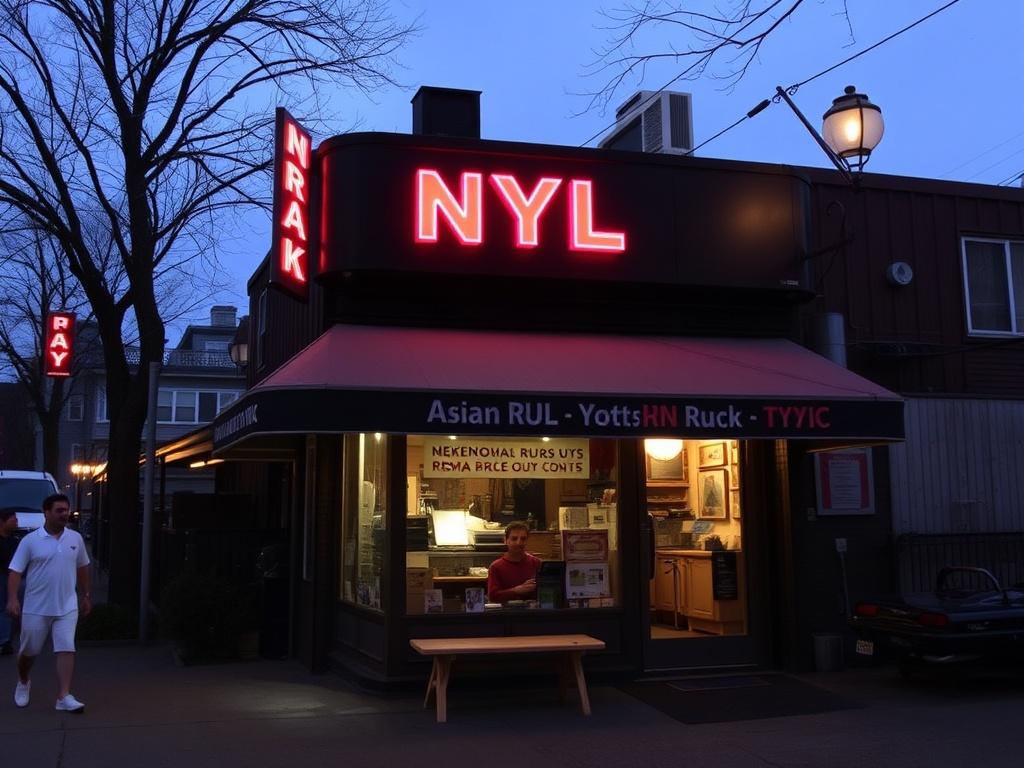
Online platforms can be useful when they verify practitioners and maintain review moderation. Look for listings that show certifications and include many consistent reviews. Local community forums and personal referrals remain among the most reliable ways to find a therapist who respects boundaries and provides quality care.
Be mindful that some platforms deliberately filter or obfuscate certain types of listings. Cross-reference information and prioritize transparency when deciding where to go.
Cultural Context and Respectful Interaction
Many bodywork styles derive from specific cultural and historical backgrounds. When engaging with these practices, a little cultural humility goes a long way. Ask about the therapist’s training and the origins of a technique if you’re curious; many practitioners are happy to explain the lineage and approach behind their work.
Also be aware of stereotyping. The label “Asian” covers a vast range of cultures and methods. Treat each practitioner as an individual professional rather than assuming they represent a monolithic tradition. Respect, clear communication, and courtesy make for better treatments and healthier interactions.
Tips for Respectful Communication
Start by stating your goals: relieve tension, work on a sore shoulder, or learn a self-care routine. Use straightforward language about pressure preferences and areas to avoid. If you don’t understand a technique, asking politely for clarification is fine; you’ll often learn something useful and the therapist will appreciate your engagement.
Similarly, tipping and scheduling expectations vary. If you’re unsure, ask the front desk or check online resources for norms in the neighborhood. A small effort to understand local practices signals respect and helps build a positive relationship with the practitioner.
Conclusion
Asian body rubs in NYC cover a wide spectrum—from legitimate therapeutic practices rooted in Asian traditions to businesses offering adult services—so it’s important to do a quick check before booking: verify credentials, read multiple reviews, ask direct questions, and trust your instincts about cleanliness and communication. By focusing on safety, respect, and clear expectations, you can find bodywork that supports your health and comfort while avoiding risky situations.