
Searching for a reliable body rub in Queens, NY can feel like entering a crowded marketplace of names, reviews, and promises. Whether you’re looking for therapeutic relief after a long week or a brief chair massage between errands, the options are many. This article walks through what «body rub» commonly means in the borough, how to distinguish reputable services from risky ones, what to expect in a legitimate session, and how to protect your health and money while getting the most from a visit.
I’ll focus on practical guidance you can use right away: how to check credentials, what questions to ask, where to look for different styles of massage, and simple etiquette rules. The aim is to help you make informed choices so your experience is professional, restorative, and free of surprises.
Understanding the Term: What a «Body Rub» Can Mean
The phrase «body rub» is broad. In everyday conversation it can mean anything from a short chair massage in a mall to a full-hour therapeutic session that targets chronic pain. In Queens, as elsewhere, most people use the term informally to describe hands-on treatments that manipulate muscles, connective tissue, and soft tissue to promote relaxation or relieve discomfort.
Because the term spans a range of services, it’s important to learn how providers describe themselves. Licensed massage therapists, spa establishments, and sports-therapy clinics will generally advertise their training and list specific modalities like Swedish, deep tissue, or sports massage. Other places may offer more casual or non-medical rubdowns. Knowing the difference helps you set expectations beforehand and avoid misunderstandings.
Regulation, Licensing, and Safety in New York
Massage therapy in New York is regulated to protect both clients and practitioners. Legitimate providers typically have formal training, certifications, and business permits. Municipal and state agencies handle different parts of oversight, and credentials are often available to verify online or on request.
When evaluating a business in Queens, look for clear contact information, a posted license or certificate, and an online presence that includes service descriptions and transparent pricing. If a provider resists discussing credentials or refuses to put identifying information in writing, treat that as a red flag and consider looking elsewhere for your care.
How to Find Reputable Body Rub Services in Queens
Start with recommendations from friends or healthcare providers, then cross-check reviews and verify credentials. Many neighborhood spas and clinics list therapists’ qualifications on their websites. Community boards and local Facebook groups often share up-to-date experiences from neighbors.
Use a simple checklist when choosing: confirm training or license, read recent reviews, verify the location is a professional space, and ensure the business offers receipts or clear payment records. A legitimate operation will have no problem answering basic questions about therapist education, the modalities offered, and cancellation policies.
- Ask for a therapist’s name and credentials before booking.
- Confirm whether the therapist is licensed or certified in your state.
- Read recent client reviews, paying attention to consistency rather than single extremes.
- Prefer businesses with a fixed storefront or well-reviewed mobile practitioners with clear professional profiles.
- Avoid places with vague service descriptions or those that make sexual offers; these likely operate outside the law.
Neighborhoods and Modalities: Where to Look in Queens
Queens is large and diverse, and services reflect that variety. Astoria and Long Island City tend to have a mix of boutique spas and independent therapists, while Flushing and Elmhurst offer many traditional Asian-style massage clinics, some of which specialize in techniques like Thai or Tui Na. Forest Hills and Jackson Heights provide a blend of small neighborhood wellness centers and licensed medical massage practices.
Different neighborhoods often develop reputations for particular approaches—sports and deep-tissue work near athletic centers, relaxation-focused spas near transit hubs, and therapeutic clinics closer to medical facilities. Explore a few options in your area and match the modality you need to the practitioner’s specialty.
What to Expect During a Professional Session
A typical therapeutic session begins with a short intake to review your health history, areas of pain, and goals. Expect questions about recent injuries, chronic conditions, medications, and any areas to avoid. Good therapists use this conversation to tailor pressure, techniques, and positioning.
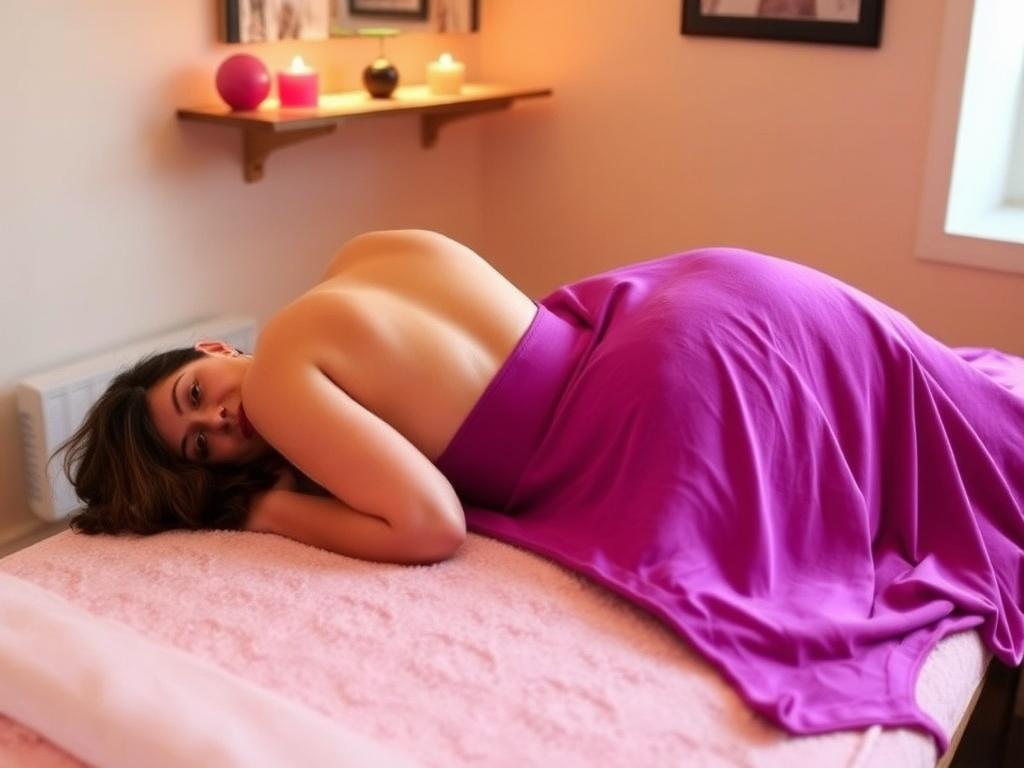
Draping and consent are standard practice: you’ll be covered with a sheet or towel except for the area being worked on, and therapists typically explain what they will do and ask for permission. Sessions can range from a focused 15-minute chair massage to a 90-minute full-body treatment. Clear communication about comfort and pressure is essential; a professional therapist will adjust on request.
| Modality | Focus | Typical Session Length | Best For |
|---|---|---|---|
| Swedish Massage | Relaxation and general circulation | 30–90 minutes | Stress relief, first-time clients |
| Deep Tissue | Deeper muscle layers and chronic tension | 45–90 minutes | Persistent muscle tightness, athletes |
| Sports Massage | Performance and injury prevention | 30–90 minutes | Athletes, pre/post-event care |
| Chair Massage | Upper back, neck, and shoulders | 10–30 minutes | Quick relief in public or workplace settings |
| Medical/Clinical Massage | Rehabilitation and pain management | 30–60 minutes | Treatment plan prescribed by healthcare provider |
Health Benefits, Risks, and When to See a Doctor
Massage therapy offers measurable benefits: improved circulation, reduced muscle tension, enhanced flexibility, and stress reduction. For many people, regular sessions help manage headaches, back pain, and the physical consequences of repetitive work or athletic training.
However, massage is not risk-free. Soreness after a deep session is common, and some medical conditions make massage inadvisable or require modifications. If you are pregnant, have a blood-clotting disorder, severe osteoporosis, a recent fracture, or certain cardiovascular conditions, consult your healthcare provider before booking. Good therapists will ask relevant health questions up front and adapt or decline treatment when necessary.
Legal and Safety Tips: How to Protect Yourself
Protecting your safety and finances starts with research. Prefer licensed professionals or well-established spas with transparent contact information, clear cancellation policies, and printed receipts. Avoid cash-only businesses with no paper trail and any establishment that resists showing credentials on request.
Pay attention to the setting. Clean, well-lit reception areas, clearly marked treatment rooms, and visible sanitation practices are signs of professionalism. If something feels off—pressure to accept additional services, requests for gratuities beyond norms, or inappropriate comments—leave and report the business to local consumer protection or public health authorities.
Red Flags
Certain indicators suggest a place may be operating illicitly: ambiguous service descriptions that emphasize «extras,» inconsistent business hours, no posted license or training information, and an absence of standard business practices like receipts or written consent forms. Trust your instincts; your comfort and safety matter more than saving a few dollars.
Reporting and Resources
If you encounter suspicious or illegal activity, you can report it to local authorities or consumer protection agencies. For licensing verification and more specific regulatory guidance, consult the official New York State or New York City health and professional licensing websites. These resources help verify credentials and provide complaint procedures.
Pricing, Payment, and Etiquette
Prices vary by modality, length, and location. In Queens, you’ll find everything from budget-friendly chair massages to higher-end spa experiences. Expect to tip for good service; customary tipping ranges are similar to those in restaurants, with 15–20% typical for a table-style session, though adjust for local norms and the quality of care.
Arrive early to complete intake forms, dress comfortably, and communicate your needs clearly. If you need to cancel, give as much notice as possible to avoid cancellation fees. Remember that a professional therapist’s time and expertise are the product you’re hiring; treating them respectfully will keep the relationship positive and effective.
Alternatives and Complementary Options
If you’re trying to address a specific medical issue, consider a consultation with a physical therapist, chiropractor, or a medical massage practitioner who works with a care team. Community health centers and some gyms offer low-cost options run by supervised trainees or interns.
Other complementary modalities—such as acupuncture, yoga, or guided stretching classes—can pair well with regular bodywork. Combining approaches often delivers better long-term results than relying on a single treatment type.
Finding Balance: Use Bodywork Wisely
Massage and professional bodywork are tools, not cures. Used wisely—matched to your needs, provided by trained professionals, and integrated with other healthy habits—these therapies can enhance daily comfort, reduce stress, and support recovery from injury. In Queens, the diversity of practitioners means you can often find a style and setting that fits your budget and comfort level; take the time to vet options and build a relationship with a provider you trust.
Conclusion

Body rub services in Queens, NY range from short, convenient chair treatments to in-depth therapeutic sessions; the key is choosing reputable providers who are transparent about their training, practices, and pricing. Verify credentials, watch for red flags, communicate your needs openly during intake, and pair treatment with appropriate medical advice when necessary. With a little research and common-sense precautions, a well-chosen session can be a safe, restorative part of your wellness routine.