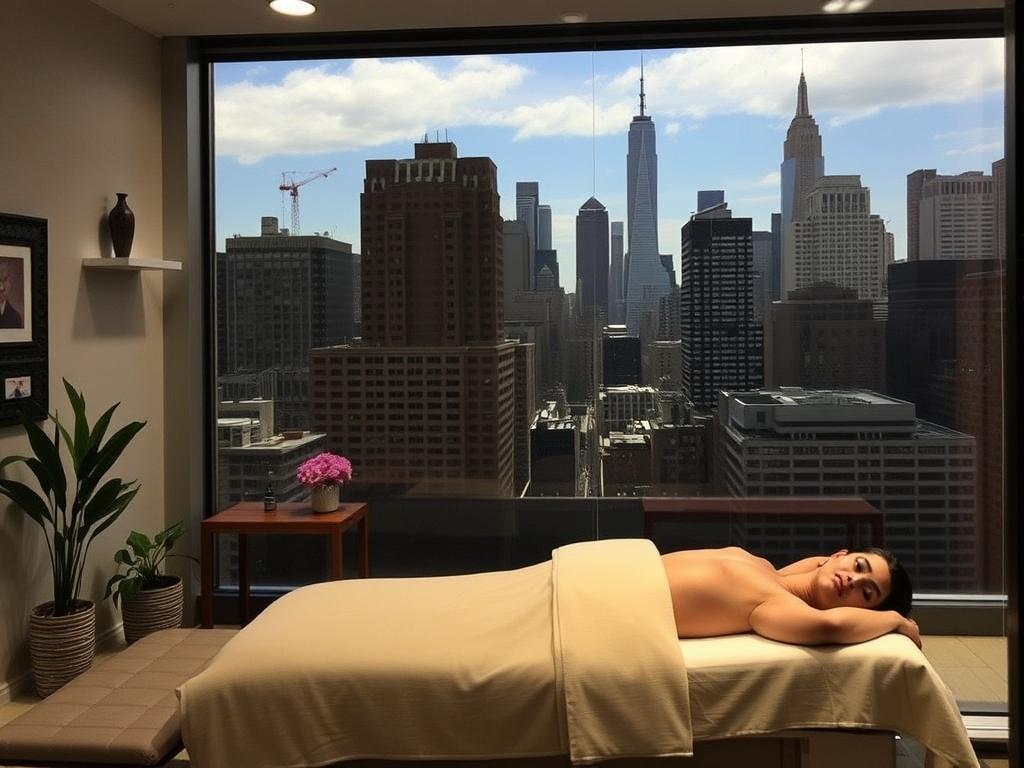

New York City can feel like a nonstop machine. Between work, commuting, and social obligations, your muscles hold a lot of stories: tight shoulders, creaky hips, a jaw that won’t relax. Thai massage is one of those therapies that can quietly change how you move and how you breathe, but it’s different from the typical Western approach. If you’re curious about trying Thai massage in New York, this guide will walk you through what it is, how it feels, how to pick a practitioner, and what to do after a session.
I’ll keep things straightforward and practical. You’ll learn the essential techniques, the questions to ask before booking, and how to spot reputable centers in busy neighborhoods. No fluff—just the information that helps you get a massage that actually fits your needs.
What Is Thai Massage?
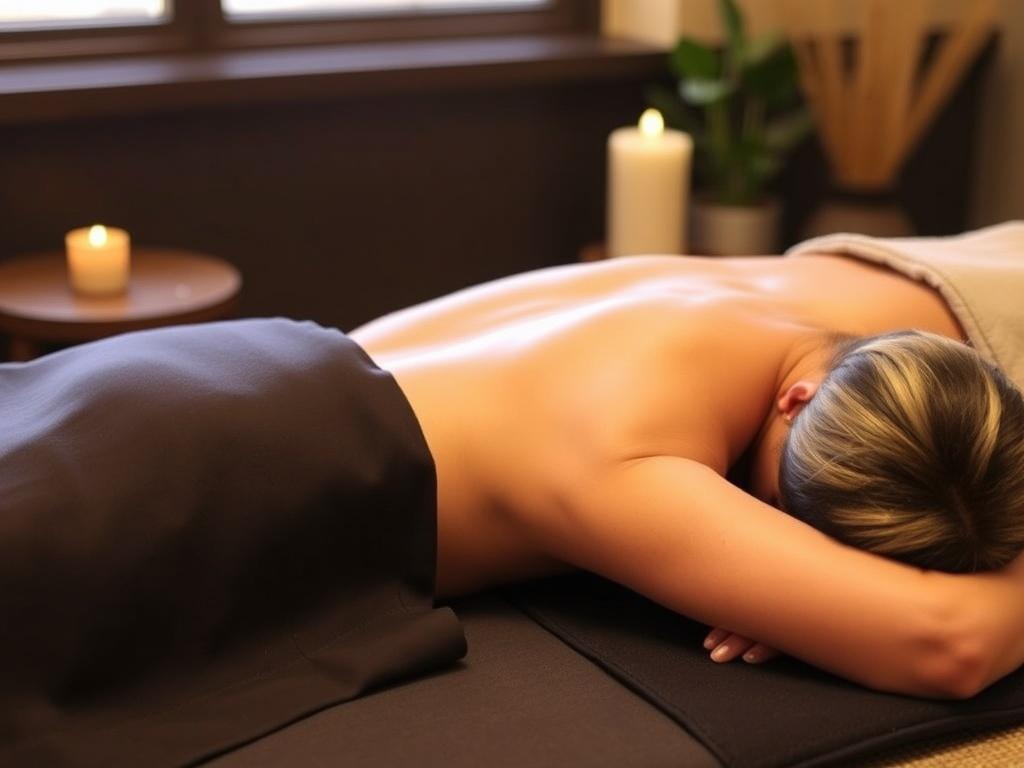
Thai massage blends assisted stretching, rhythmic pressing, and careful joint mobilization. Unlike a typical oil-based Swedish massage, Thai massage usually happens on a padded mat on the floor with loose, comfortable clothing. The practitioner uses hands, feet, elbows, and knees to guide your body through postures and stretches that resemble yoga poses.
The result is a session that feels part-acupressure, part-yoga class, and part-massage. Many people notice improved mobility, reduced tension, and a different kind of relaxation—less drowsy, more open and aligned. That said, intensity varies widely. Tell your practitioner about your comfort level; a good therapist will customize pressure and sequence to your body.
History and Philosophy
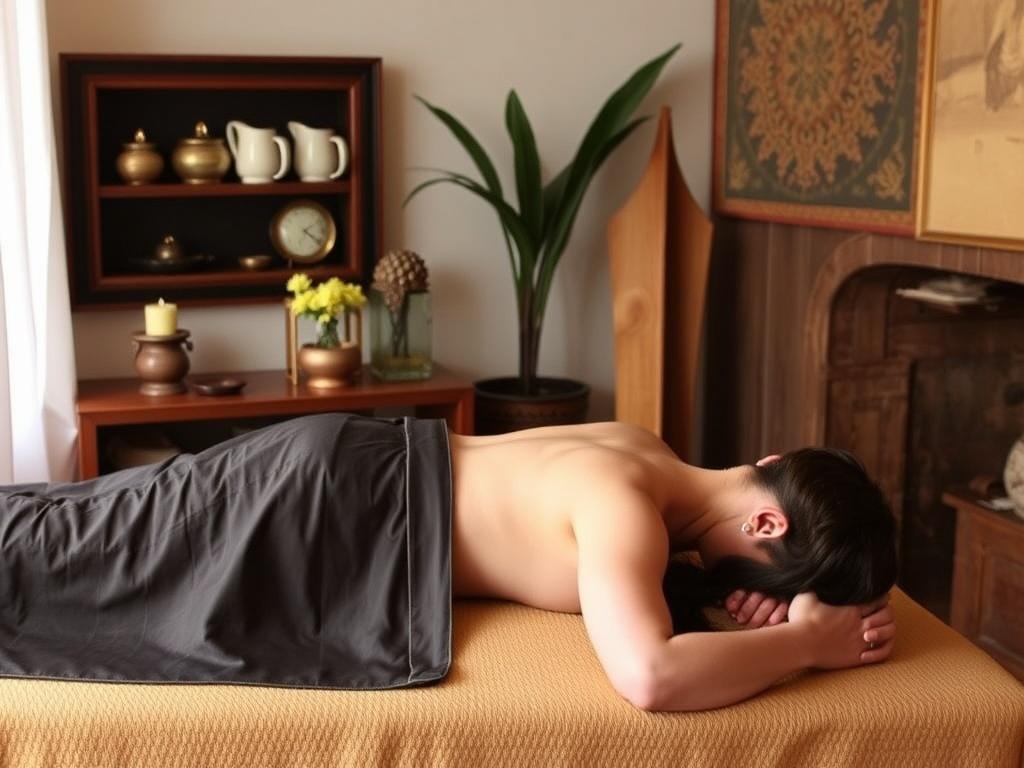
Thai massage has roots in Ayurvedic and traditional Southeast Asian healing systems. It’s often framed as a practice that balances the body’s energy lines—called sen—through movement and pressure. While those concepts come from a long tradition, modern practitioners in New York combine the old framework with contemporary anatomy and therapeutic techniques.
In the city, you’ll find therapists who emphasize the spiritual lineage and others who focus on sports or medical applications. Neither is inherently better; they simply approach the same techniques with different priorities. Choosing the right style depends on whether you want relaxation, athletic recovery, or help with chronic pain.
Techniques and Benefits
Thai massage uses a combination of slow compression, firm pressure along muscle lines, and active assisted stretches. Sessions often alternate between work on the back, legs, hips, and shoulders, and include breathing cues to enhance release. Practitioners may also incorporate passive yoga-like postures that open joints and stretch tight muscles.
The most commonly reported benefits are reduced muscle tension, improved flexibility, and a clearer sense of posture. Because the therapy involves active range-of-motion work, it can also help with joint stiffness and circulation. Many clients leave feeling lighter and more grounded rather than sedated.
- Improved range of motion and flexibility
- Reduction in chronic muscle tension and pain
- Enhanced circulation and lymphatic flow
- Stress relief and better body awareness
What to Expect During a Session
When you arrive, expect a short intake to discuss your health, injuries, and goals. Unlike oil massages, you’ll remain clothed, usually in loose cotton garments. The therapist will guide you through a sequence of stretches and pressure points, moving smoothly from one area to another.
Sessions can feel energetic and sometimes intense; moments of deep pressure might cause brief discomfort, followed by release. Communicate openly about pressure and any pain. A skilled practitioner will adjust and explain each step so you feel safe and informed.
Choosing the Right Thai Massage in NYC
New York’s options range from small, traditional studios to upscale spa environments that adapt Thai techniques into a softer, spa-style treatment. Think about what you want: a firm, therapeutic session or a gentle, relaxation-focused experience. That choice will guide where you book.
Look for credentials and experience, but also for clear communication. A therapist who asks questions about your body and explains their approach is more likely to deliver a session you’ll appreciate. Reviews can help, but take them with context—consistent mention of a therapist’s communication and technique is more useful than generic praise.
| Style | Typical Setting | Duration | Best For |
|---|---|---|---|
| Traditional Thai | Floor mat, quiet studio | 60–120 minutes | Flexibility, deep work, cultural authenticity |
| Thai Yoga Massage | Studio or wellness center | 60–90 minutes | Joint mobility, active stretching |
| Spa-style Thai | Spa room, massage table | 60–90 minutes | Relaxation with gentle Thai techniques |
| Therapeutic/Clinical Thai | Physical therapy or medical spa | 45–90 minutes | Chronic pain, rehab-focused work |
Questions to Ask Before Booking
Asking a few targeted questions ahead of time saves time and stress. Call or check the studio’s website to confirm the therapist’s training, whether you’ll remain clothed, and what they recommend for first-timers. Those details matter more than flashy decor or a low price.
- What training and certifications does the practitioner have?
- Will the session be on a mat or a table?
- Can the therapist adapt pressure for injuries or sensitivity?
- What is the cancellation and hygiene policy?
Top Neighborhoods and Centers
You’ll find reputable Thai massage options across Manhattan, Brooklyn, Queens, and beyond. Each borough offers a different atmosphere: Manhattan tends to host upscale studios and clinics; Brooklyn features independent, community-focused practitioners; Queens and the outer boroughs often have traditional centers with experienced therapists.
When choosing a neighborhood, consider travel time and the vibe you want before and after your session. If you plan to combine the treatment with a long workday, a shorter, targeted session near your office can be more practical than a long ritual that requires a commute back home.
How to Read Reviews and Recommendations
Reviews can be helpful, but look for specific details: did the client mention pressure, the therapist’s listening skills, and whether the treatment helped a particular issue? Vague five-star comments are less informative than a balanced account that names a therapist and describes the session flow.
Word-of-mouth remains valuable in New York. Ask friends, trainers, or yoga teachers for recommendations. They often know therapists who work well with athletes or with people recovering from injury, and that kind of referral can be more reliable than an anonymous online review.
Self-care After Thai Massage
After a Thai massage, your muscles may feel pleasantly tired or oddly energized. Hydration matters: drink water to help flush metabolic byproducts from deep tissue work. Gentle movement—walking or light yoga—can prolong the benefits and prevent stiffness after intense stretches.
Be mindful of activities that might undo the session, like heavy lifting or rigorous exercise immediately afterwards. If you feel soreness, a warm bath with moderate heat can soothe muscles. And if you experienced a significant release in tight areas, give your body a day or two of lower-intensity movement to integrate the changes.
- Drink plenty of water
- Avoid heavy workouts for 24 hours
- Use heat for lingering stiffness
- Practice gentle mobility exercises
Pricing and Time Considerations
Prices vary depending on location, therapist experience, and session length. Expect to pay more in central Manhattan and in medical clinics that market therapeutic Thai massage. Many studios offer package deals or introductory rates for first-time clients, which can be a cost-effective way to try the therapy.
When planning your time, add 15–30 minutes to your appointment for intake and a brief post-session conversation. That buffer allows you to ask follow-up questions and receive home-care advice from your practitioner, which often improves long-term results.
Legal and Safety Considerations
Regulation in New York requires certain licensing for massage therapists, but not all Thai practitioners operate under the same licensing models. Confirm that the studio follows local health regulations, maintains clear hygiene protocols, and has liability coverage. Transparency is a sign of professionalism.
Also, be honest about medical conditions during intake: recent surgeries, blood clots, pregnancy, severe osteoporosis, and certain cardiovascular conditions may make some techniques unsafe. A qualified therapist will modify or decline certain maneuvers for your safety.
Conclusion
Thai massage in New York offers a versatile set of techniques that can improve flexibility, ease pain, and restore a sense of balance, but the experience depends heavily on the practitioner’s skill and the match between your goals and their methods. Take a little time to ask questions, choose a setting that fits your comfort level, and plan for simple aftercare like hydration and gentle movement. With the right therapist, a session can be a practical, effective way to move more freely in a city that asks a lot from your body.