

In a city that moves at a relentless pace, people look for ways to slow down and reconnect with themselves. Tantric massage in New York has drawn attention as one pathway — a form of bodywork that blends mindful touch, breath, and presence. If you’re curious, skeptical, or simply researching options, this guide aims to answer the practical questions without the hype.
Throughout the article you’ll find clear descriptions, safety tips, and pointers for locating reputable practitioners across Manhattan, Brooklyn, Queens, and beyond. Whether you want to understand what a session looks like or how to screen a therapist, this will give you the basics and the nuance to make informed choices.
What is tantric massage?
Tantric massage is a style of bodywork rooted in principles from tantra — a wide spiritual tradition that emphasizes awareness, energy, and embodied presence. In contemporary practice, tantric massage usually combines slow, attentive touch with breathwork and sometimes guided visualization. The goal is often to help the recipient become more aware of bodily sensations and emotional states rather than to achieve any specific physical outcome.
It’s important to separate popular misconceptions from practice. Modern tantric massage clinics and practitioners in New York focus on therapeutic and relational aspects: connection, relaxation, and conscious presence. Sessions vary widely, from light, meditative touch to deeper therapeutic bodywork, depending on the practitioner’s training and the client’s comfort and consent.
A short history and cultural context
Tantra originates in South Asian spiritual systems, where it has many branches and a long philosophical lineage. Over the past century, aspects of tantra were adapted in the West into various somatic and therapeutic approaches. Those adaptations often emphasize experiential practices like breath, attention, and partner work.
In New York, those threads converged with the city’s vibrant wellness and massage communities. That mixing produced a range of offerings: yoga studios that host partner tantra workshops, private practitioners who focus on trauma-informed touch, and spas that provide introductory sessions aimed at relaxation and mindfulness.
How tantric massage differs from other types of bodywork
Unlike modalities focused primarily on structural correction — think deep tissue or sports massage — tantric massage prioritizes presence and sensation. Practitioners may guide breathing, encourage slow, mindful attention to the body, and use touch in ways intended to awaken inner awareness rather than to fix a specific muscular issue.
That doesn’t mean tantric massage never helps with pain or tension; many clients report reduced stress, improved sleep, and less chronic pain after sessions. The difference lies in intention and tempo: slower pacing, more communication, and integration of breath and sensation into the work.
Common techniques and session structure
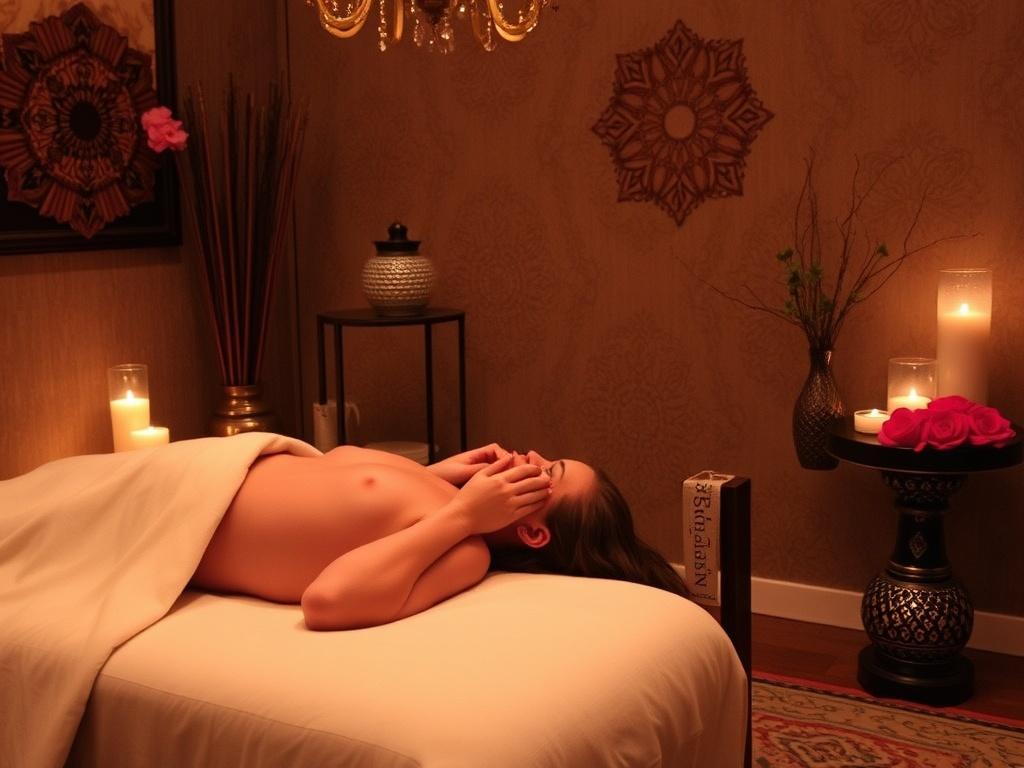
A typical session begins with a brief conversation: practitioner and client set boundaries, discuss goals, and outline any health considerations. From there, the work might include long, gliding strokes, gentle kneading, energy-focused hand placements, and guided breathing. Some practitioners integrate light movement or meditation at the session’s start and end.
Session length in New York usually ranges from 60 to 120 minutes. Many practitioners emphasize check-ins throughout the session to ensure consent and comfort. If a practitioner introduces sexualized touch or anything beyond agreed boundaries, that’s a red flag. Ethical tantric massage centers put clear policies and written consent at the heart of every session.
Benefits people report
People seek tantric massage for different reasons: stress reduction, emotional release, increased bodily awareness, or as part of a broader spiritual practice. Reported benefits include deeper relaxation, improved ability to stay present, reduced anxiety, and a more compassionate relationship with one’s body.
Because the work is experiential, benefits are often subtle and cumulative. Clients who commit to regular sessions or combine massage with breathwork and mindful practices tend to notice more sustained shifts in mood and self-awareness than those who try a single session and expect dramatic change.
Finding a practitioner in New York
Finding the right practitioner matters. New York offers many options, but quality varies. Start by checking credentials: look for training in tantra-informed bodywork, certifications in massage therapy, trauma-informed care, or somatic psychotherapy. Transparent practitioners publish clear descriptions of their approach and consent policies.
Referrals and reviews help, but so does an initial conversation. Call or email potential practitioners and ask specific questions about experience, session structure, and how they handle boundaries. Trust your instincts: the tone of that first interaction often signals whether the practice is professional and respectful.
- Ask for details about training and continued education.
- Request a clear description of what a session will involve.
- Confirm policies on nudity, music, and if a chaperone is available during intake.
- Check whether the practitioner is trauma-informed and can accommodate physical or emotional sensitivities.
What to expect during your first session
Most first sessions focus on establishing comfort and clarifying intent. Expect a private intake conversation where the practitioner asks about your medical history, emotional boundaries, and what you hope to gain. This is the time to state any hard limits clearly.
During the session you’ll likely be guided to breathe and attend to sensations. The practitioner will check in at intervals and adjust touch according to your feedback. At the end, there’s often a short integration period to reflect and ground — many practitioners offer water and suggest light activity afterward to help transition back to daily life.
- Dress comfortably and arrive a few minutes early.
- Bring any questions or concerns to the intake conversation.
- Communicate openly about comfort, pain, or emotional reactions during the session.
- Plan light activity after the session so you can remain calm and present.
Etiquette, safety, and consent
Consent is the cornerstone of safe tantric massage. A professional practitioner will seek explicit consent in writing and verbally before any touch begins and will continue to check in. You have the right to pause or stop the session at any time, and a respectful therapist will honor that without pressure or shame.
Safety also means screening for health conditions that could be affected by touch, such as recent surgery, pregnancy, or certain cardiovascular issues. Reputable practitioners ask these questions upfront and adapt or decline sessions when necessary for your wellbeing.
| Question to Ask | Why It Matters | Red Flag |
|---|---|---|
| What is your training and certification? | Confirms professional background and standards. | Vague or evasive answers about credentials. |
| How do you handle consent and boundaries? | Shows whether consent is prioritized and ongoing. | No clear consent policy or pressure to accept full nudity. |
| Do you have experience with trauma-informed care? | Important if you have a trauma history or strong emotional reactions. | Dismissive attitude toward emotional safety. |
Costs, booking, and what to bring
Prices in New York vary by neighborhood and practitioner level. Expect introductory sessions to start in a moderate range and experienced practitioners or private studios to charge more. Session length, specialty training, and added services (like aromatherapy or extended integration) factor into price.
Booking is typically online or by phone. Bring a list of any medications or health concerns to the intake, and wear comfortable clothes for arrival and departure. Many studios provide sheets and blankets; if you prefer, you can bring your own towel. Clear communication about payment and cancellation policies before booking prevents surprises.
Neighborhood flavors: where to look in the city
Manhattan tends to host higher-end studios and private practices that cater to clients seeking a polished spa experience. Brooklyn offers a mix of community-centered practitioners and smaller studios that emphasize trauma-informed and somatic approaches. Queens and the outer boroughs often feature more affordable options and culturally diverse practitioners.
When choosing by neighborhood, factor in travel time and how comfortable you feel in the setting. A longer commute to a practitioner you trust is often worth it; a convenient but rushed appointment in a location that feels impersonal may limit the session’s effectiveness.
Legal and ethical considerations
Massage therapy laws and licensing vary by state and municipality. In New York, massage therapists should hold appropriate state licenses where required, and practitioners offering bodywork should clearly state their professional status. If something feels illegal, coercive, or unsafe, you can report it to local authorities or professional associations.
Ethics also extend to advertising: beware of vague or sexualized marketing. Legitimate practices describe techniques, explain consent protocols, and provide practitioner bios. If advertising focuses primarily on sexual pleasure rather than therapeutic or wellness benefits, treat it as a warning sign and proceed with caution.
Frequently asked questions
Is tantric massage sexual? Not inherently. While tantra historically engages with sexuality as part of a broader spiritual practice, many contemporary practitioners in New York frame tantric massage as therapeutic and mindful touch. Sexual content should only occur with explicit consent and clear boundaries.
How many sessions are needed? That depends on your goals. Some people benefit from a single session to explore sensation and relaxation; others pursue regular sessions to deepen body awareness and relieve chronic stress. Discuss expected outcomes with your practitioner to set realistic plans.
- Can I request a same-gender practitioner? Yes — request preferences during booking.
- Is nudity required? Not necessarily; many practitioners adapt to client comfort and offer options for partial or full covering.
- What if I feel emotional during a session? Emotional responses are common; a trained practitioner will provide space and grounding techniques.
Resources and next steps
If you decide to explore tantric massage in New York, start with research: check practitioner websites, read reviews, and ask specific questions about training and consent practices. Consider attending a workshop or introductory class if you want a low-pressure way to experience elements of tantra in a group learning environment.
Finally, trust your body and your instincts. A positive experience combines technical skill with ethical practice: clear boundaries, ongoing consent, and a practitioner who listens as much as they touch. Those are the markers of responsible tantric bodywork in the city.
Conclusion
Tantric massage in New York sits at the intersection of ancient practice and modern wellness; approached thoughtfully, it can be a deeply calming, awareness-building experience, but safety, consent, and clear communication are essential—research practitioners, ask direct questions, attend to your comfort during sessions, and prioritize professionals who demonstrate training and ethical boundaries before booking.