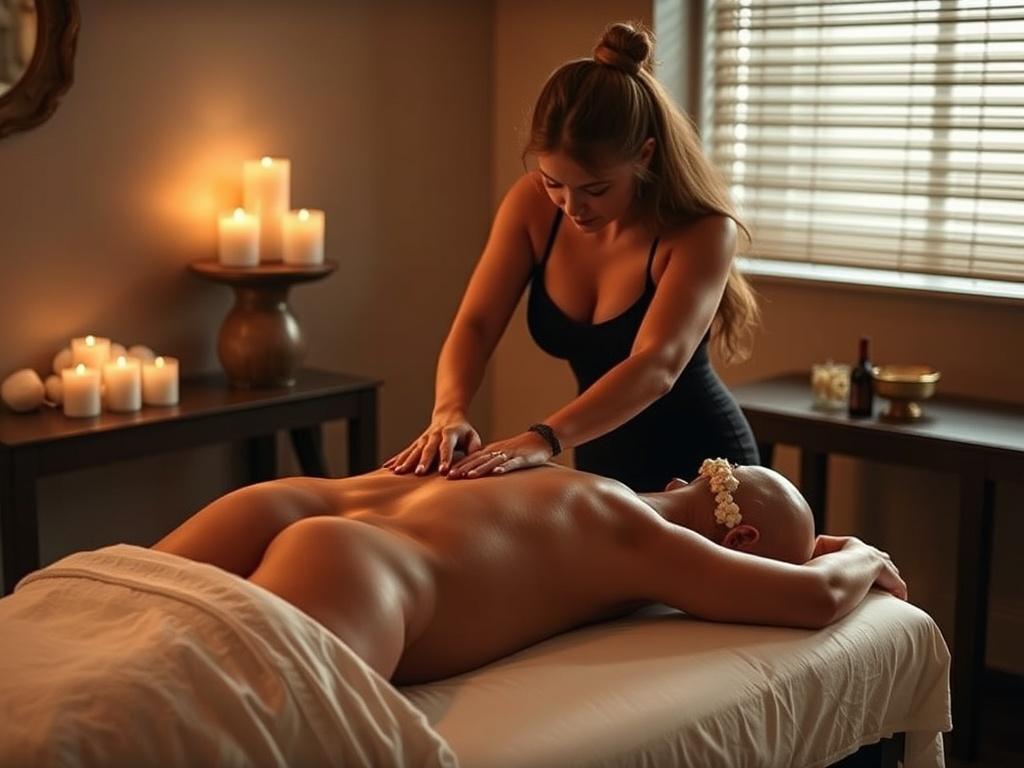

Tantric massage often arrives in conversation wrapped in mystery and myth. Strip away the sensational headlines and what’s left is a practice that blends slow, attentive touch with breath, presence, and a focus on the whole person. It isn’t just about technique; it’s a way to slow time down, notice sensations, and reconnect — physically, emotionally, and sometimes spiritually.
Many people come to tantric massage curious, skeptical, or searching for relief from stress and disconnection. This article walks through the origins, principles, typical session flow, commonly used techniques, safety considerations, and how to find a practitioner. The aim is clarity: useful detail without hype, so you can decide whether this approach to touch fits your needs.
What Is Tantric Massage?
Tantric massage is a form of bodywork inspired by principles from tantra — a broad term for practices that recognize the body as a route to expanded awareness. In massage, tantric ideas are applied as a sustained, mindful attention to sensation, breath coordination, and the energetic quality of touch. Sessions prioritize receptivity and non-goal-oriented presence rather than quick fixes or purely diagnostic objectives.
Unlike many therapeutic massages that focus primarily on muscle release or pain relief, a tantric session often emphasizes slow strokes, long holds, and pauses to amplify subtle sensations. While sexual energy can be acknowledged and even welcomed in some contexts, tantric massage is not inherently erotic; its scope ranges from deeply relaxing to gently transformational, depending on boundaries and intentions set by the participants.
Origins and Philosophy
Tantra has roots in several South Asian traditions and encompasses a wide array of practices—rituals, meditation, mantra, and cultivation of awareness. Western adaptations of tantra often extract techniques that emphasize embodiment and conscious breathing, placing them into therapeutic and personal-development contexts. Tantric massage is a modern synthesis rather than a single ancient lineage.
The philosophy underpinning tantric massage centers on integration. Rather than separating body and mind, it invites awareness of sensation, emotion, and thought as they arise. Practitioners often use breath to anchor attention, guiding clients to stay present with shifting feelings instead of analyzing or suppressing them. This approach can make ordinary touch feel richer and more meaningful.
Key Principles
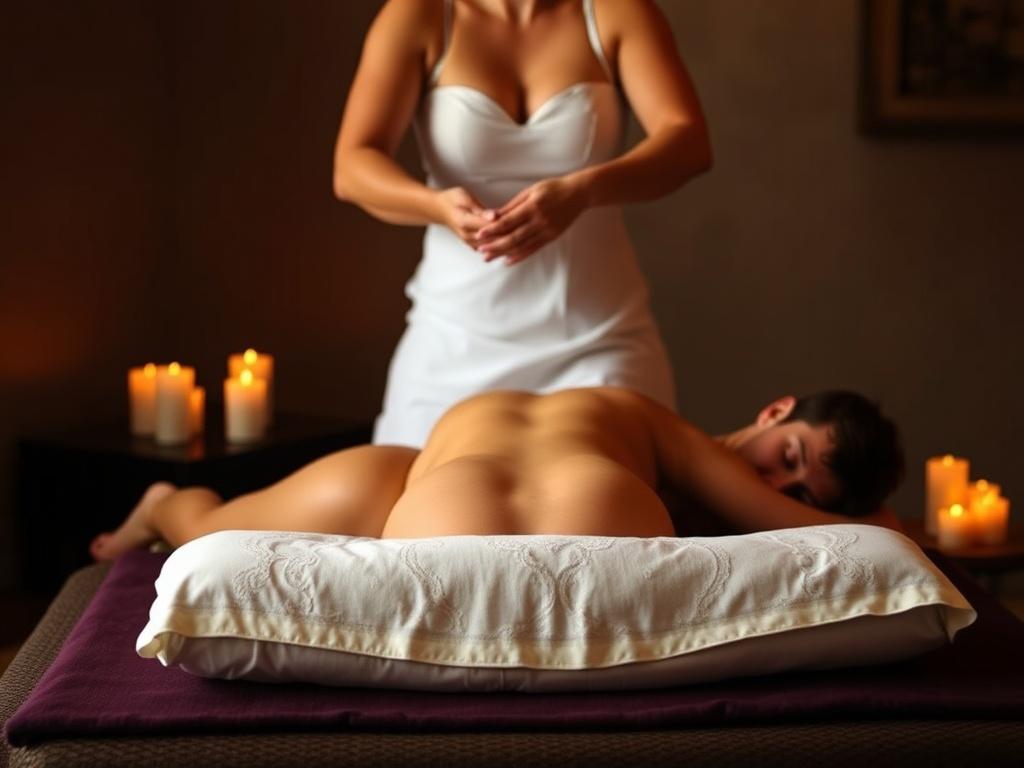
Presence is the core principle. The practitioner aims to be fully aware and non-reactive, offering touch that is attentive and steady. This quality of presence helps create a sense of safety and containment for the person receiving the massage. From there, other principles like consent, pacing, and breath awareness follow naturally.
Consent and boundaries are crucial. Tantric massage relies on clear, ongoing agreement about what kinds of touch are acceptable and on which areas of the body. Communication can be verbal or signaled nonverbally; experienced practitioners check in regularly and respect adjustments without judgment. The intention is to support the client’s autonomy while offering a guided experience of sensation and ease.
How a Session Typically Works
A typical session begins with conversation: goals, boundaries, health concerns, and preferences. This initial exchange sets expectations and establishes trust. The practitioner will usually explain the structure of the session, the pace of touch, and how to signal comfort or discomfort during the massage.
During the session, the client is usually draped with blankets or sheets, exposing only the areas being worked on for modesty and warmth. Touch varies from feather-light strokes to firmer compressions, and the practitioner often uses breath cues, invitations to slow the breath, or silence to encourage inward focus. Sessions can last from 60 to 120 minutes depending on the arrangement.
Techniques and Tools
Techniques in tantric massage range from slow effleurage and circular palm strokes to sustained holds and gentle rocking. The goal is less about manipulating muscles intensively and more about increasing interoception — the ability to feel internal bodily states. Practitioners may pause frequently, allowing sensations to bloom rather than immediately moving to the next technique.
Common tools include warm oil, cushions for support, and sometimes bolsters to align the body comfortably. Some practitioners incorporate music, guided breath practices, or light aromatherapy to create a supportive environment. Equipment is selected for comfort and to facilitate relaxed, uninterrupted touch.
- Warm unscented oil for smooth, continuous strokes
- Cushions and bolsters to maintain open posture and alleviate strain
- Soft lighting or candles to foster calm attention
- Optional guided breath cues to synchronize presence
Benefits and Misconceptions
People report a variety of benefits from tantric massage: deeper relaxation, reduced anxiety, improved body awareness, and a stronger sense of connection with themselves or a partner. Physical tension often softens, but many clients notice emotional shifts long after the session ends — a release of old patterns or new access to suppressed feelings.
Misconceptions are common. One is that tantric massage is synonymous with erotic services. While sexual energy may be acknowledged in certain therapeutic contexts, a legitimate session prioritizes consent and therapeutic boundaries. Another misconception is that results are immediate and dramatic; often the process is gradual, subtle, and most meaningful when integrated with reflection or complementary practices.
Preparing for a Session and Safety
Simple preparation makes a session more comfortable. Wear loose clothing to your appointment, arrive hydrated, and plan some quiet time afterward to process the experience rather than rushing back into busy demands. If you have medical concerns, such as circulatory issues, recent surgery, or skin conditions, disclose them beforehand.
Safety protocols matter. A professional practitioner should carry clear consent forms, explain contraindications, and respect any limits you set. If something feels off during a session, you have the right to pause, adjust, or stop. Trust your instincts: safety and comfort should never be sacrificed for curiosity.
- Tell the practitioner about medications or health conditions
- Agree on verbal or nonverbal signals for comfort and boundaries
- Plan quiet time after the session to integrate the experience
Choosing a Practitioner
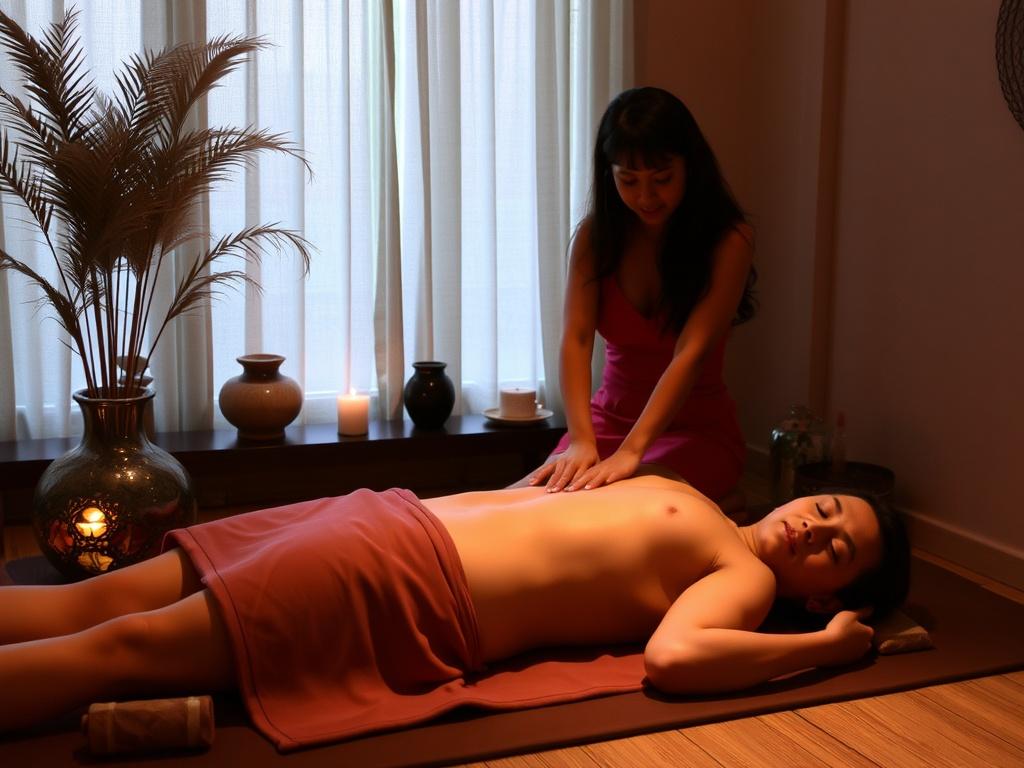
Finding a qualified practitioner means looking for training, experience, and clear ethical standards. Ask about their background, whether they’ve received formal education in bodywork or somatic therapies, and how they handle consent. Referrals and reviews can be helpful, but a direct conversation before booking says more about fit than a list of credentials alone.
Consider logistics too: location, room setup, the use of towels or sheets, and the practitioner’s communication style. A good match feels respectful and calming. If a first session feels mismatched, it’s okay to try a different practitioner. Personal comfort is the best measure of a successful therapeutic relationship.
Quick Comparison: Tantric Massage vs. Other Bodywork
The table below highlights several differences and similarities between tantric massage and other common forms of bodywork. Use it as a starting point to clarify what you want from a session.
| Focus | Tantric Massage | Swedish Massage | Deep Tissue |
|---|---|---|---|
| Primary goal | Awareness, relaxation, integration | General relaxation and circulation | Release of chronic muscle tension |
| Typical pace | Slow, lingering | Moderate, rhythmic | Slow, often intense |
| Emotional focus | Often significant | Minimal | Variable |
| Use of breath | Integral | Occasional | Occasional |
Practical Tips for First-Timers
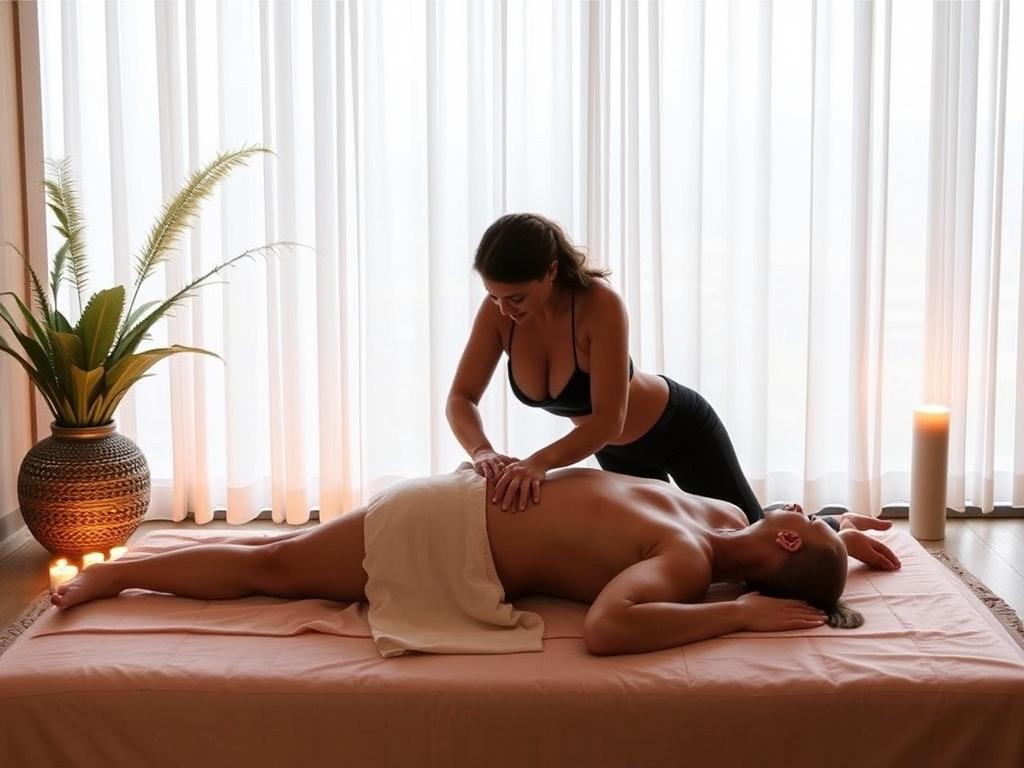
Be clear about boundaries: especially if you’re new to this form of touch, discuss what you are comfortable with before the session starts. Silence is common in tantric massage, but don’t hesitate to ask questions either before or afterward. A brief debrief helps both client and practitioner understand the experience and informs future sessions.
Start modestly. A single session can give you a sense of whether the pace, touch, and atmosphere suit you. If you choose to continue, think in terms of a few sessions to notice deeper shifts. Practices like slow breathing, mindful walking, or journaling after a session can help integrate the sensations and insights that surface.
Conclusion
Tantric massage is an accessible, slow form of bodywork that emphasizes presence, breath, and consent to deepen body awareness and promote relaxation. It’s not a single fixed protocol but a flexible approach that can be tailored to therapeutic, personal, or exploratory goals. If you’re curious, set clear boundaries, find a practitioner you trust, and treat the experience as an opportunity to feel more connected to yourself — one gentle, deliberate moment at a time.