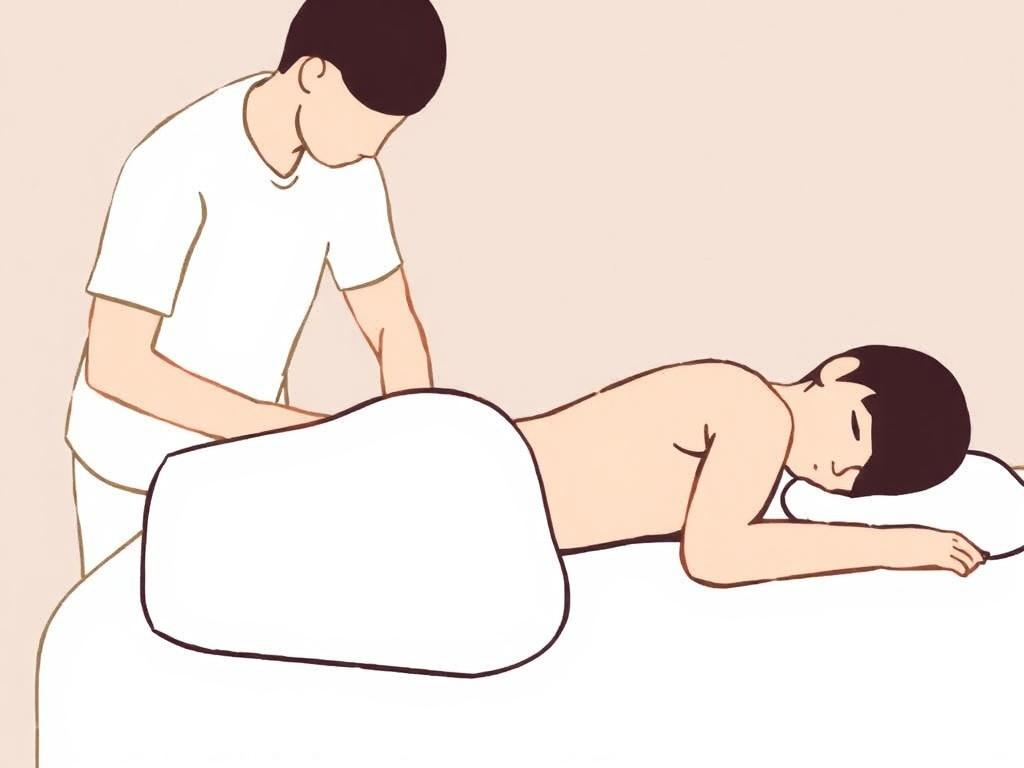

“Body rub” can mean different things depending on context, culture, and local regulations. In many professional settings it’s a colloquial label for therapeutic massage or bodywork performed by trained practitioners. This article unpacks a clear, practical job description for someone hired to provide body rub services in a respectable, regulated environment.
If you are an employer writing a job posting, a practitioner preparing a resume, or simply curious about the role, you’ll find the responsibilities, skills, and realistic working conditions described here. The aim is to make the role transparent: what clients should expect and what a professional must deliver.
What a “Body Rub” Means in Professional Practice
At its core, a professional body rub is a touch-based therapeutic modality intended to promote relaxation, reduce muscle tension, and support wellbeing. Techniques vary—some practitioners focus on Swedish massage strokes, others incorporate deep tissue, myofascial release, or gentle relaxation work—yet the common thread is deliberate, therapeutic touch within ethical and legal boundaries.
Terminology matters. Calling a service a “body rub” in a job description should be done carefully and accompanied by specifics about the techniques, client expectations, and the professional standards that safeguard both client and practitioner. Clear language helps avoid misunderstandings and aligns the role with health and safety regulations.
Job Description Overview
A concise job description begins with the role’s purpose: to deliver safe, effective touch-based therapies that meet client goals and comply with workplace policies. It should say whether the position is full- or part-time, the expected client load, and any performance targets such as client satisfaction or retention metrics.
Beyond the basics, the description should state the setting—spa, clinic, mobile service, or wellness center—and outline reporting lines and collaboration expectations. Will the practitioner coordinate with physiotherapists or other healthcare providers? Will they manage bookings and maintain client files? These operational details shape the day-to-day work and should appear up front.
Key Duties and Responsibilities
The central duties center on hands-on service, client communication, and recordkeeping. Practitioners perform assessments, explain treatment plans, execute the agreed-upon techniques, and check in with clients about comfort and outcomes during and after sessions. Clear documentation of each session is also critical for continuity and legal protection.
Administrative and professional tasks support the hands-on work. These include maintaining a clean and safe treatment space, managing inventory of linens and oils, and following infection-control protocols. Practitioners also participate in staff meetings, training sessions, and occasional marketing activities to help grow the practice.
- Conduct client intake and assessments, noting medical history and contraindications.
- Create and communicate treatment plans tailored to client needs.
- Deliver hands-on bodywork using appropriate techniques and pressure.
- Keep accurate session notes and maintain client confidentiality.
- Adhere to health, safety, and sanitation policies for every appointment.
- Manage appointment scheduling and time efficiently to meet daily targets.
Skills and Qualifications

Technical skill is essential: competent use of massage techniques, knowledge of anatomy and physiology, and the ability to adapt touch for different body types and therapeutic goals. Employers typically look for a mix of formal training and demonstrable client experience.
Equally important are interpersonal skills. Practitioners must communicate clearly, listen empathetically, and maintain professional boundaries. Reliability, punctuality, and the ability to manage physical stamina are also key traits for long-term success in this role.
- Formal diploma or certificate in massage therapy or bodywork.
- Strong knowledge of anatomy, contraindications, and client safety.
- Excellent communication and documentation skills.
- Professionalism, discretion, and ethical conduct.
- Physical resilience and proper body mechanics to prevent injury.
Training, Certification, and Licensing
Most regions require specific training hours and registration with a governing body to practice legally. Employers should specify the minimum credentialing required—whether a vocational certificate, a diploma from an accredited program, or an active license with a regulatory association.
Continuing education is often part of the job. Workshops on new techniques, refresher courses in sanitation, and training in client communication or trauma-informed care enhance quality and compliance. A robust job description will list any required certifications (e.g., CPR) and expectations for ongoing professional development.
Working Conditions and Environment
Body rub practitioners typically work in calm, climate-controlled spaces with access to massage tables, fresh linens, and professional products. Shift patterns can include day, evening, and weekend times to accommodate client schedules. Mobile practitioners may travel between client homes or corporate offices, which requires reliable transportation and portable equipment.
The role is physically demanding and benefits from ergonomic equipment and policies that support practitioner health. Employers can mitigate risk by enforcing limits on back-to-back sessions, encouraging micro-breaks, and providing training in safe body mechanics. Clear policies on boundaries and client screening also protect staff from uncomfortable or unsafe situations.
How to Write an Effective Job Posting
An effective posting balances specificity and approachability. Start with a short summary of the role, followed by a list of responsibilities and required qualifications. Be transparent about compensation, benefits, and any non-monetary perks like flexible scheduling or opportunities for training.
Use plain language to describe the client experience you expect the practitioner to provide. If your workplace emphasizes therapeutic outcomes rather than relaxation-only services, say so. If the role includes sales expectations or retail responsibilities, include those expectations clearly to avoid surprises.
| Job Element | Example |
|---|---|
| Title | Licensed Massage Practitioner / Bodywork Specialist |
| Summary | Provide therapeutic bodywork to reduce pain and improve mobility in a wellness clinic setting. |
| Responsibilities | Client intake, treatment planning, documentation, follow-up recommendations. |
| Requirements | Diploma in Massage Therapy, current license, CPR certification, 2+ years’ experience preferred. |
| Compensation | $25–$45 per hour plus tips and performance bonuses (example range). |
Salary, Career Path, and Advancement
Compensation varies widely by region, setting, and experience. Hourly rates can range from modest clinic wages to higher fees in private practice or upscale spas. Performance-related income—tips, commissions on retail sales, and bonuses—also contributes to overall earnings.
Career progression includes moving into senior practitioner roles, clinical coordination, teaching, or opening an independent practice. Some bodywork professionals pursue specialization in areas like sports massage, lymphatic drainage, or clinical pain management to expand their client base and command higher fees.
Tips for Employers and Clients
0
Employers should screen candidates for both technical competence and professional demeanor. Include a practical skills assessment in interviews and verify credentials. Clear onboarding and mentorship reduce early turnover and build a consistent client experience.
Clients benefit from transparent communication. A good job description helps clients know what to expect from a session—what techniques might be used, how long a treatment will last, and what outcome goals are reasonable. Encourage feedback and have a clear mechanism for addressing concerns.
- Employers: outline expectations and support practitioner wellbeing to reduce burnout.
- Practitioners: keep records up to date and communicate clearly about boundaries and consent.
- Clients: disclose relevant medical information and speak up about pressure and comfort.
Common Misconceptions and Ethical Considerations
One common misconception is that all “body rub” services are the same. In a professional setting, services are clinical or wellness-focused, governed by ethical codes and laws. Using precise language in job postings helps differentiate legitimate therapeutic work from unregulated offerings.
Ethics plays a central role: informed consent, respect for client autonomy, confidentiality, and adherence to safety standards are non-negotiable. Job descriptions should explicitly reference these expectations so that both employer and practitioner are aligned on professional conduct.
Conclusion
0
A well-crafted body rub job description clarifies duties, qualifications, and working conditions while emphasizing professionalism and client safety; it helps employers find practitioners who can deliver consistent, therapeutic bodywork and helps practitioners understand performance expectations, career pathways, and the ethical framework that shapes everyday practice.