
The phrase «body-to-body massage hot» conjures images of warmth, full-contact touch, and a different kind of tension release. In professional spa and therapeutic settings, this term usually refers to massages where the therapist uses their own body as a massaging surface in combination with heated elements—warmed oil, stones, or towels—to enhance relaxation and ease muscle tightness. That combination of human contact and heat can feel very different from a typical table-based session, and knowing what it involves helps you choose what’s right for your needs.
In this article I’ll walk through what body-to-body massage with heat looks like in a clinical and spa context, what the potential benefits are, how sessions are performed safely, and how to pick a qualified practitioner. The goal is practical, plain guidance—so you can decide whether this warm, tactile approach is a suitable addition to your self-care routine.
What Is Body-to-Body Massage?
Body-to-body massage is a technique in which a trained therapist uses parts of their own body—forearms, torso, or legs—to apply pressure and glide over the client’s muscles. It’s not about impropriety or eroticism; when performed professionally, it’s a tool for distributing pressure evenly, maintaining contact over broad areas, and creating a continuous sense of flow. The therapist’s body becomes an extension of their hands, allowing for long, even strokes that can be particularly effective across the back, hips, and shoulders.
In many modern spas and therapeutic practices this technique is used alongside more conventional strokes. Proper draping, clear boundaries, and explicit consent are central. A reputable therapist will explain the technique, ask about your comfort level, and respect limits at every step. If any part of the approach feels unsafe or uncomfortable, you should feel empowered to pause or stop the session immediately.
What «Hot» Adds: Heat in Massage

Heat is a simple but powerful modifier in bodywork. Warmth relaxes the connective tissue, increases local blood flow, and helps muscles become more pliable so deeper release can occur with less force. Spas often introduce heat through warmed oils, heated stones, or steam-warmed towels. Each method distributes warmth in a slightly different way—oils provide a buffered, consistent heat and slip; stones offer concentrated thermal pressure points; towels give gentle, broad warmth.
Applied responsibly, heat can improve the comfort and effectiveness of longer gliding strokes integral to body-to-body work. Temperature control is critical: the goal is comfortable warmth, never burning heat. Therapists should test temperatures on themselves and on a small patch of the client’s skin before proceeding. If you are sensitive to heat, bring that up in the intake conversation so the therapist can adjust the approach.
Common Techniques and How They’re Performed

Two common elements you’ll see in a body-to-body session are large-surface gliding and weighted pressure. Gliding involves the therapist moving their torso or forearm along the client with oil, creating a sustained, flowing sensation over long muscle chains. Weighted pressure uses the therapist’s body weight—carefully modulated—to apply consistent, even pressure that can feel different from hand-applied kneading. These methods aim to reduce friction and promote a sense of continuous release.
Sessions typically begin with an intake and positioning discussion. With consent and appropriate draping, the therapist will warm the oil or stones and begin with lighter strokes, increasing depth gradually. Communication during the session matters: therapists should check pressure and temperature often, and clients should report pain, numbness, or discomfort without hesitation. The combination of human contact and regulated heat can make transitions between areas smoother and more effective.
Benefits Backed by Evidence
Massage in general has documented benefits for relaxation, stress reduction, decreased muscle tension, and short-term pain relief. Adding controlled heat may enhance these outcomes by improving circulation and reducing stiffness more quickly than touch alone. Many people report better sleep, reduced anxiety, and increased range of motion after sessions that combine body contact and warmth.
It’s important to note that evidence varies by condition and individual. While many randomized studies support massage for conditions like chronic low back pain and tension-type headaches, specific research on body-to-body with heat is less abundant. Still, the mechanisms—mechanical pressure, heat-mediated blood flow, and the calming effects of sustained human touch—are well understood and plausibly synergistic.
Who Should Consider This Treatment
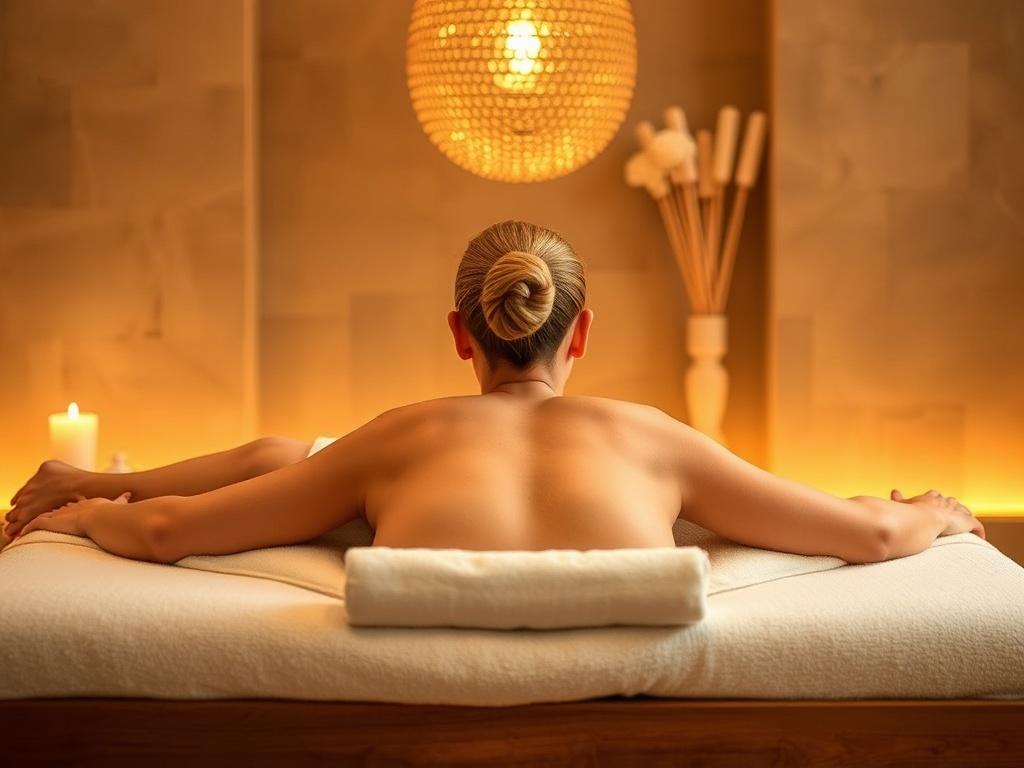
People seeking deep relaxation, relief from tight muscle bands, or a novel approach to chronic tightness might consider a hot body-to-body session. It can be especially useful for areas that respond well to broad, sustained pressure—midback, hips, and large muscle groups. It’s also favored by clients who appreciate warmth as part of their comfort and relaxation profile.
Conversely, this style is not ideal for everyone. If you have open wounds, contagious skin conditions, certain cardiovascular issues, fever, recent surgery, or risk factors for blood clots, it’s best to avoid heated deep-contact work until cleared by a physician. Always disclose medical history and medications during the intake so the therapist can adapt the session or recommend waiting.
- Check therapist qualifications and licensure before booking.
- Ask about draping policies and how the therapist manages modesty and comfort.
- Discuss heat preferences and any sensitivities or allergies to oils.
- Confirm whether the practitioner is trained specifically in body-to-body techniques.
- Plan for hydration and light activity after the session to aid recovery.
Safety, Ethics, and Choosing a Practitioner
Safety hinges on professional training, clear consent, and hygienic practice. A reputable practitioner will have credentials, a clear intake form, liability insurance where applicable, and transparent pricing. They will also explain how draping is used to protect your privacy and will not proceed without informed consent. If anything feels coercive or is outside established professional boundaries, leave and report the facility.
Below is a simple comparison to help you understand how hot body-to-body massage relates to other warming modalities and what to expect from each in terms of contact style and typical uses.
| Modality | Contact Style | Heat Source | Best For |
|---|---|---|---|
| Hot Body-to-Body | Therapist’s torso/forearms in direct glide | Warmed oil, towels, optional heated stones | Broad muscle release, deep relaxation |
| Hot Stone Massage | Stones placed on body, used as tools | Heated basalt stones | Targeted heat, localized stiffness |
| Traditional Swedish | Hand-based strokes and kneading | Room temperature or warmed oil | General relaxation, circulation |
What to Expect During a Session
A typical appointment starts with a brief health questionnaire and a verbal check-in. You’ll undress to your comfort level and lie on a table, fully or partially draped according to the therapist’s protocol. The practitioner will warm oils or towels and begin with gentler strokes to assess tissue response. Heat is introduced gradually and adjusted to your feedback.
Sessions commonly last 60–90 minutes. Afterward you may feel deeply relaxed, mildly flushed, or slightly tender in areas that received concentrated pressure. Drinking water and moving gently for the rest of the day helps integrate the work. If you experience unusual pain, prolonged numbness, or a rash, contact the therapist and, if needed, a medical professional.
Conclusion
Hot body-to-body massage can be a powerful option for people seeking an immersive, warming approach to muscle release and relaxation, provided it’s delivered by a trained, ethical practitioner and tailored to your health profile; clear communication about boundaries, temperature, and medical history is essential, and when in doubt consult a physician to ensure the technique is safe and appropriate for you.