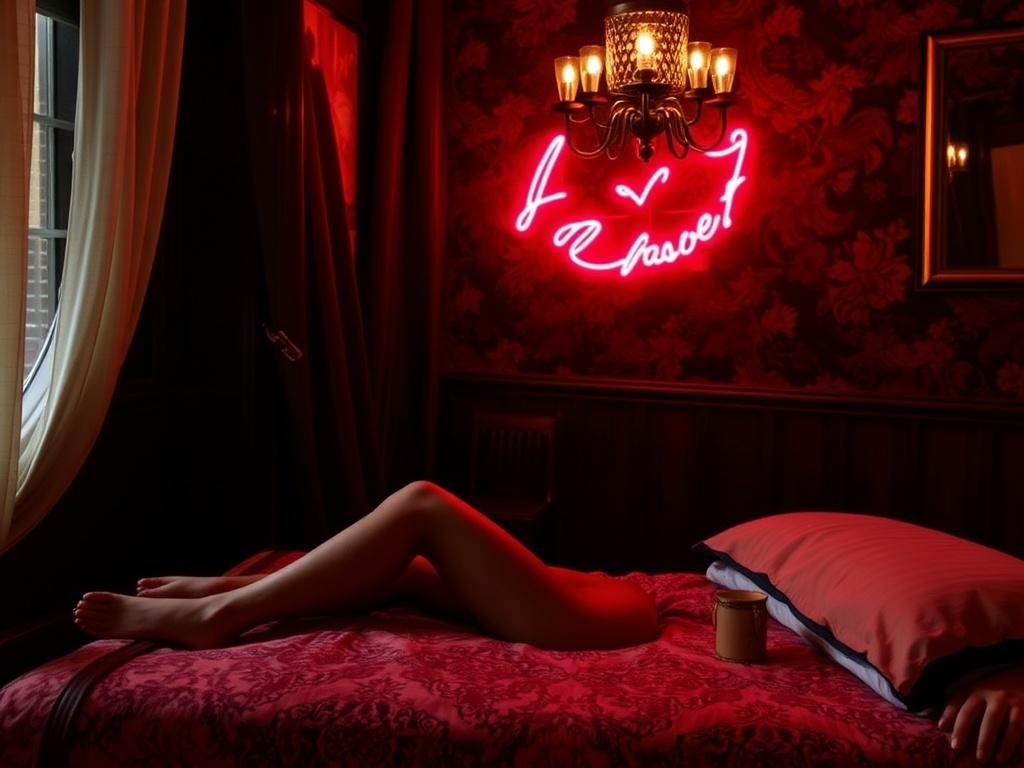

Understanding the term “exotic massage” in Brooklyn
0
The phrase «exotic massage» gets used in many ways. For some people it simply signals something different from a standard deep-tissue or Swedish session — an experience with special ambiance, extended relaxation techniques, or influences from non-Western bodywork. For others the wording suggests a sensual or intimate element. Because the meaning can vary from one place to the next, it helps to start with a clear idea of what you want and what a given studio actually offers.
In Brooklyn’s diverse neighborhoods, studios range from upscale day‑spa settings to small independent rooms run by traveling therapists. Language on websites and ads can be deliberately vague, so reading descriptions carefully and asking direct questions before booking will save confusion. Remember: professional bodywork focuses on relaxation, movement, and muscular balance; anything that feels illegal or unsafe should be a red flag.
Common styles and what each feels like
0
“Exotic” can refer to atmosphere as much as technique. Some studios emphasize sensory elements — mood lighting, aromatherapy, rhythmic music, and flowing strokes — that create a more theatrical or transportive session. Others borrow movements from Southeast Asian, Polynesian, or Latin American therapies: long flowing strokes, cupping, or rhythmic compression. These approaches prioritize rhythm, breath, and full‑body attunement over isolated muscle manipulation.
Below is a simple table to help you match names you may encounter with the general focus of the session and what a typical client might notice.
| Style name (common label) | Primary focus | What you might notice |
|---|---|---|
| Sensory or ambiance massage | Relaxation and mood | Soft lighting, oils, slow flowing strokes |
| Tantric‑inspired or mindful touch | Breath, presence, energy awareness | Slower pacing, guided breathing, non‑clinical language |
| Island or tropical fusion | Rhythm and full‑body flow | Long gliding movements, use of heated stones or herbal compresses |
| Traditional Asian influenced | Stretching and pressure | Stretching, acupressure points, firm presses |
How to choose a reputable studio in Brooklyn
Start with verification: check that therapists list credentials or certifications, look for clear business addresses and phone numbers, and read multiple recent reviews. A professional studio will clearly state its services, prices, and cancellation policies online. If a listing is intentionally opaque — no photos, no names, no verifiable address — move on. Trustworthy places want clients to feel safe before they step in the door.
Reach out with a few questions before booking. Ask the therapist about their training, whether they are licensed or certified, what exactly is included in the session, and their policy on boundaries or clothing adjustments. A straightforward, respectful answer is a good sign. If the response is evasive or the messages mix suggestive language with promises of illicit services, that’s a cue to look elsewhere.
Health, safety, and legal considerations

Your well‑being matters. Make sure the studio follows basic hygiene standards: clean linens, handwashing between clients, sanitary common areas, and a private room for treatments. Allergies and medical conditions matter too — disclose recent surgeries, skin conditions, blood‑thinning medications, or pregnancy. A qualified therapist will adapt pressure and techniques accordingly and may decline certain services for safety reasons.
Legal boundaries are important. Commercial sexual activity is illegal in New York, and reputable massage businesses operate strictly within the law. If any practitioner suggests or hints at illegal services, leave and report the listing to the platform you found it on. When in doubt, prioritize licensed practitioners and established spas that are transparent about their practices.
Etiquette, preparation, and what to expect during a session
Preparing properly makes the session smoother. Arrive a bit early so you can relax, fill out intake forms thoughtfully, and discuss your needs with the therapist. Ask about clothing options and draping policies. Professional therapists use sheets to drape clients so only the working area is uncovered; you should never feel pressured to undress more than you’re comfortable with.
During the massage, communicate clearly about pressure, temperature, and any areas to avoid. Therapists appreciate simple, direct feedback: “A little firmer there,” or “Please skip my lower back.” After the session, drink water and give yourself time to reorient — many people feel relaxed or mildly lightheaded for a short while after a deep relaxation treatment.
Pricing, booking, and common add‑ons
Pricing in Brooklyn varies with neighborhood, studio quality, and therapist experience. Many places list set durations (30, 60, 90 minutes) and offer add‑ons such as aromatherapy, hot stones, cupping, or extended time. Look for full disclosure of costs before you arrive to avoid surprises. Some smaller studios also handle payments in cash, but most professional places accept cards and provide receipts.
When booking, prefer direct contact with the studio rather than anonymous third‑party sites if you can. If you use an aggregator, cross‑check the studio’s own website and social profiles for consistency. Keep a note of cancellation policies and whether gratuity is included or expected — practices differ across businesses.
Where to look in Brooklyn and how to read reviews
Brooklyn’s neighborhoods each have their own vibe. Williamsburg and DUMBO offer boutique-style spas and wellness centers; Park Slope and Brooklyn Heights have family‑friendly options with licensed therapists; Sunset Park and Bay Ridge may feature independent practitioners with diverse cultural approaches. Use neighborhood search filters and be mindful of transit time when choosing a location.
Reviews can be helpful but read them discerningly. Look for patterns: repeated praise for cleanliness and professionalism is meaningful; one overly effusive review followed by several complaints is suspicious. Pay attention to responses from the business — prompt, polite replies to concerns indicate solid management. If you can, ask friends or local community groups for personal recommendations; word of mouth often points to reliable places you might not find through ads.
Alternatives and complementary experiences
If the particular “exotic” option you hoped for isn’t available or doesn’t feel right, there are other ways to get a special experience. Consider couples’ treatments (if you’re going with a partner), full‑service day spas that combine bodywork with facials and baths, or private sessions with mobile therapists who come to your home. Yoga, sound baths, and guided breathwork are also excellent companions to sensory massages and can extend the benefits.
For people seeking therapeutic outcomes rather than ambiance, a licensed physical therapist or a certified medical massage therapist may provide more targeted relief for pain or mobility issues. Don’t hesitate to consult a healthcare provider if you have persistent symptoms that massage alone does not resolve.
Conclusion
Exploring an exotic massage in Brooklyn can be a restorative, memorable experience when you choose a reputable studio, communicate your needs clearly, and stay mindful of legal and safety boundaries; do your homework by checking credentials and reviews, ask straightforward questions before booking, and treat the appointment as part of a broader self‑care plan that includes hydration, rest, and follow‑up awareness of how your body responds.