

The phrase «happy ending» carries a lot of weight in English, and across Asia it takes on many colors depending on culture, genre, and era. In literature and performance, a happy ending can be a tidy marriage, restored social harmony, the triumph of a moral principle, or the quiet personal growth of a single character. This article looks at how Asian storytellers shape endings, why audiences respond to them, and how creators play with expectations.
Because the term can mean different things in different contexts, this piece focuses on narrative closure rather than other uses of the phrase. We’ll move from folktales and philosophy to modern film and television, touch on subversion and ambiguity, and end with practical ideas for writers and viewers who want endings that feel earned rather than contrived.
What «Happy Ending» Means Across Asia

A happy ending in an Asian story often emphasizes communal balance as much as individual joy. In many East and Southeast Asian tales, restoration of social order—families reunited, debts settled, or villagers saved—counts as the truest form of happiness. In South Asia, happiness frequently ties to the triumph of virtue and duty, with the protagonist’s moral choices shaping the outcome.
These endings are rarely identical to the tidy Western romantic closure. Romance matters, certainly, but so do obligations, ancestral respect, and social harmony. A wedding might close a story, but the way that wedding resolves lingering conflicts or restores dignity is what makes the ending resonate for local audiences.
Roots in Folktales and Moral Order
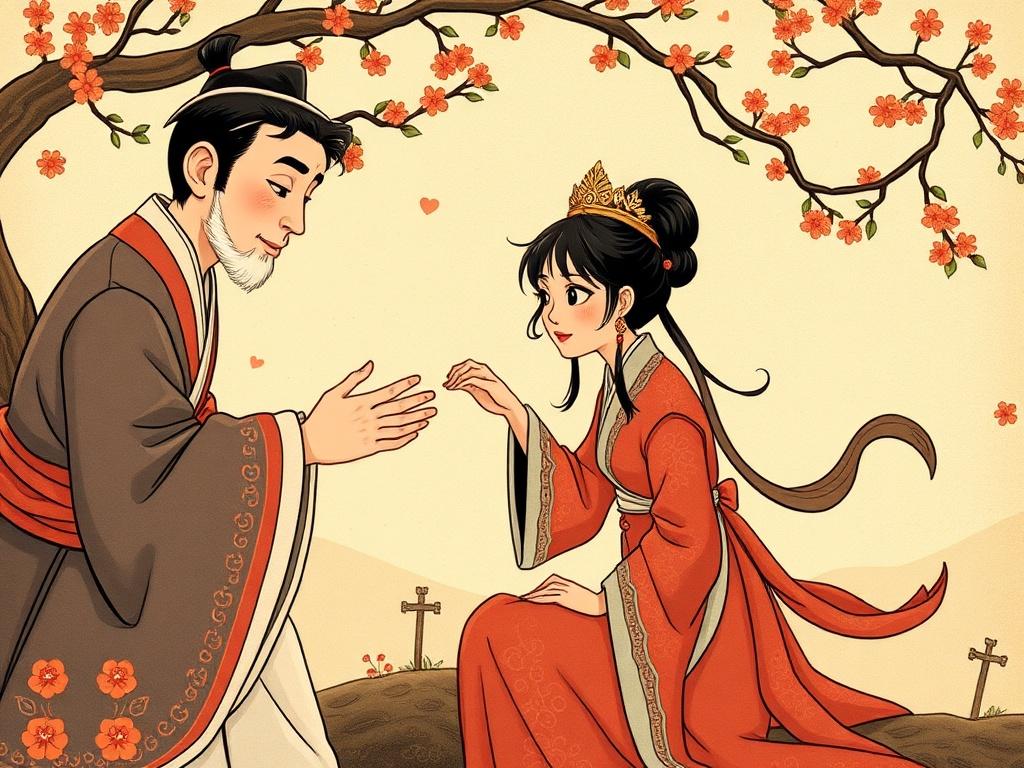
Traditional folktales across Asia have long used endings to teach as well as to comfort. Stories collected by storytellers, monks, and village elders often end with rewards for cleverness or punishment for greed, reinforcing social norms in a memorable way. The payoff is both narrative and instructional: the community learns what behavior will be rewarded.
At the same time, many folktales embrace a sense of wonder—lucky reversals, magical helpers, or inherited charm that tips the scales. Those elements create satisfying endings because they weave together cause, consequence, and a believable thread of fate. The result feels inevitable, which helps readers or listeners accept the resolution as both fair and uplifting.
Religious and Philosophical Influences
Confucian, Buddhist, Hindu, and indigenous ideas have shaped what counts as a worthy ending. Confucian perspectives prize harmony and duty, so stories influenced by that tradition often resolve by restoring proper relationships. Buddhist narratives may emphasize inner transformation as the true «happy» outcome—freedom from desire rather than external gain.
These philosophical frameworks also allow for endings that are patient with ambiguity. An ending that emphasizes steady improvement or ethical clarity rather than instant bliss can still feel satisfying because it aligns with a broader worldview about what human flourishing means.
Modern Media: Cinema, TV, and Pop Culture
Modern Asian cinema and television repackage those deep currents into formats that travel well across cultures. K-dramas, for example, are famous for emotional payoffs: lovers reunited after trials, families healed after decades of secrets, or protagonists who achieve a long-awaited sense of belonging. Anime and Japanese films can mix bittersweet endings with hope, often leaving a small open door for the future rather than closing everything neatly.
Bollywood historically favored grand, celebratory finishes—big weddings, songs, and the reestablishment of social order—but contemporary South Asian films increasingly explore more complex resolutions that reflect modern realities. Across Asia, streaming platforms have amplified series that take time to build toward endings, giving creators room to craft satisfying emotional arcs.
| Region | Typical Happy Ending Traits | Common Genres | How Endings Are Often Twisted |
|---|---|---|---|
| East Asia (Korea, Japan, China) | Emphasis on restoration, reconciliation, or quiet personal growth | Romance, family drama, historical epics | Bittersweet closures, delayed reunions, ambiguous futures |
| South Asia (India, Pakistan, Bangladesh) | Moral victory, social restoration, large celebratory finales | Musical drama, social realism, romance | Societal critique within celebratory endings, moral ambiguity |
| Southeast Asia (Thailand, Indonesia, Philippines) | Community focus, spiritual reconciliation, familial harmony | Folklore adaptations, romantic drama, thrillers | Supernatural consequences, ironic reversals, moral complexity |
That table simplifies vast traditions, but it highlights a pattern: regional storytelling favors endings that reflect communal values. Even when a modern film centers an individual’s journey, the ripple effects on family or society often define the «happy» result.
Why Audiences Crave Happy Endings
People seek endings that provide closure because narratives help us process uncertainty. A well-crafted ending gives emotional release—a chance to exhale after tension. In societies with strong collective expectations, a happy ending reassures viewers that social bonds can be repaired and moral order reinstated.
There is also pleasure in recognition. When a story rewards virtue or shows growth, audiences feel validated. The payoff confirms the rules the story set up and returns the viewer to a stable moral landscape. That doesn’t mean all audiences demand neatness; many welcome endings that are earned rather than imposed.
When Happy Endings Are Subverted
Subversion has become a storytelling tool in its own right. Filmmakers and writers often invert the expected happy ending to question social assumptions, expose hypocrisy, or reflect harsher realities. An ending that refuses to tie every loose end can be more honest in certain contexts, especially when the narrative has laid bare systemic injustices.
Subverted endings can still offer satisfaction, just of a different kind. Instead of tidy closure, they offer insight, moral complexity, or a call to action. The emotional response shifts from contentment to thoughtful unease, which can be powerful if the story supports it.
How Creators Balance Expectation and Surprise
The most effective happy endings feel inevitable and surprising at once. Creators achieve that balance by planting seeds early: character flaws to overcome, debts to be repaid, or relationships to be mended. When payoff aligns with setup, audiences experience fulfillment rather than disappointment.
Techniques include delayed gratification, moral compromise that still respects character truth, and epilogues that show consequences without undoing prior gains. A «flawed» happy ending—where the protagonist wins but pays a cost—often reads as more honest because it acknowledges complexity.
- Establish stakes early so payoff feels earned.
- Allow characters to change; an unchanged protagonist undercuts satisfaction.
- Aim for resonance over perfection—emotionally true beats artificially neat.
- Use cultural specifics to ground universal themes; that keeps endings authentic.
Writers who understand the cultural currents their audience carries can craft endings that satisfy both local expectations and global tastes. That often means blending a strong emotional core with narrative restraint, avoiding melodrama while still delivering warmth.
Conclusion

Across Asia, happy endings take many forms but share a common root: they resolve tensions in ways that honor the values and emotional logic of the culture that created them. Whether through restored community ties, moral vindication, personal transformation, or quietly hopeful ambiguity, these endings do more than please—they reweave the social fabric and give audiences a way to process change. Modern storytellers continue to reshape what «happy» means, sometimes keeping tradition, sometimes complicating it, but always aiming to leave viewers feeling that the story’s emotional debts have been paid in a way that feels both true and meaningful.