
Walking into a softly lit room, you might hear the low hum of a heater, smell faint green tea, and sense a careful, practiced calm. For many women, seeking a Japanese-style massage is less about indulgence and more about restoring balance—tension smoothed away with precise pressure and an attentive touch.
Whether you’re researching «japanese massage woman» as a search term or simply curious about what makes these therapies distinct, this article explores the roots, the methods, and practical tips so you can choose the right approach and feel confident in a session.
Origins and philosophy of Japanese bodywork
Japanese massage techniques grew from a blend of indigenous practices and influences from Chinese medicine, creating methods focused on meridians, energy flow, and structural balance. These traditions emphasize hands-on assessment: a practitioner listens with their fingers, sensing where tissues resist or soften and responding with specific pressure or movement.
There’s an economical elegance to the philosophy—techniques aim to correct patterns rather than simply soothe symptoms. This makes them especially appealing to women who want functional results: improved posture, reduced menstrual discomfort, better sleep, or relief from chronic neck and shoulder strain.
Common Japanese massage styles
“Japanese massage” is an umbrella term. Different schools prioritize different tools—palms, thumbs, knuckles, or even rhythmic tapping. Understanding the distinctions helps a woman choose a session that suits her body and goals.
Below are the styles you’ll most often encounter in clinics and spas, each with its own history, rhythm, and focus on particular outcomes.
Shiatsu: pressure with intent
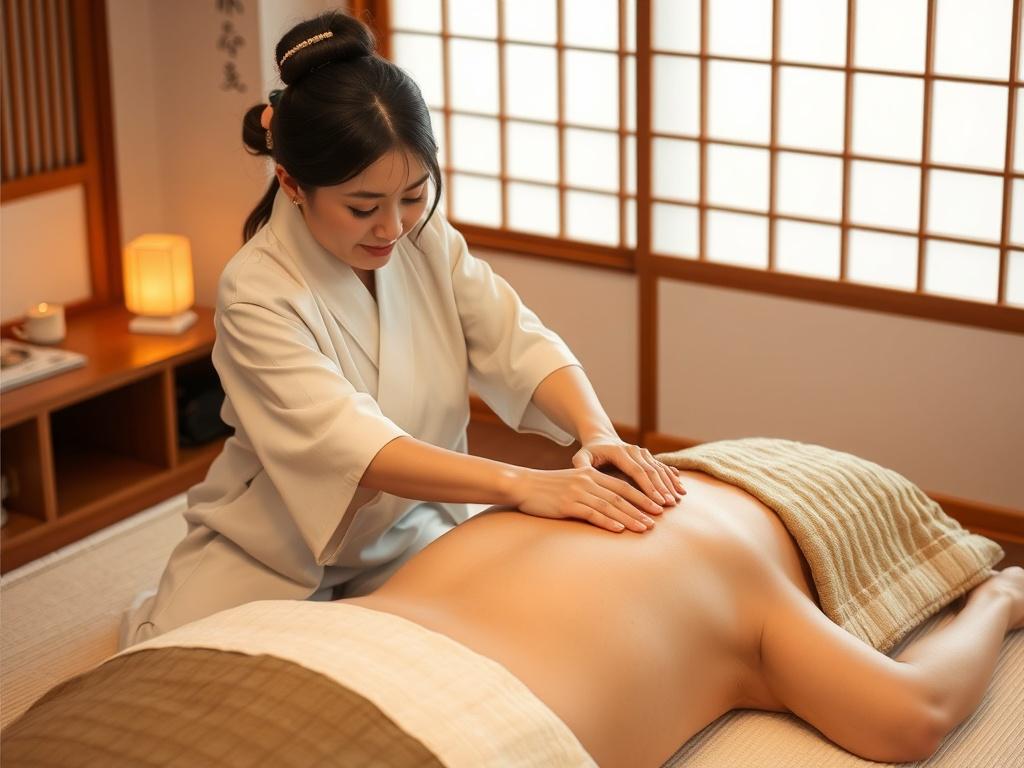
Shiatsu is perhaps the most internationally known Japanese technique. It uses finger and palm pressure on meridian lines to rebalance qi (energy), relieve pain, and improve function. Sessions can feel firm but deliberate; the practitioner often applies pressure in steady pulses rather than gliding strokes.
For women, Shiatsu is used to ease back pain, regulate stress responses, and support reproductive health by calming the nervous system. A session may be performed on a futon-style mat with the client clothed, which some women find more comfortable and less invasive than oil-based massages.
Anma and Amma: traditional kneading and rhythm
Anma (the Japanese evolution of Amma) is an older form built on kneading, rubbing, percussion, and joint manipulation. Where Shiatsu focuses on points and lines, Anma tends to treat muscle groups with rhythmic, flowing strokes that increase circulation and loosen tight fascia.
It’s particularly effective for women who carry stress in the shoulders and upper back or who prefer a massage that works through layers of muscle. Because Anma uses less focus on meridians and more on mechanical release, results are often immediate and tactile—muscles feel softer, breathing feels easier.
Kobido: the artful facial lift
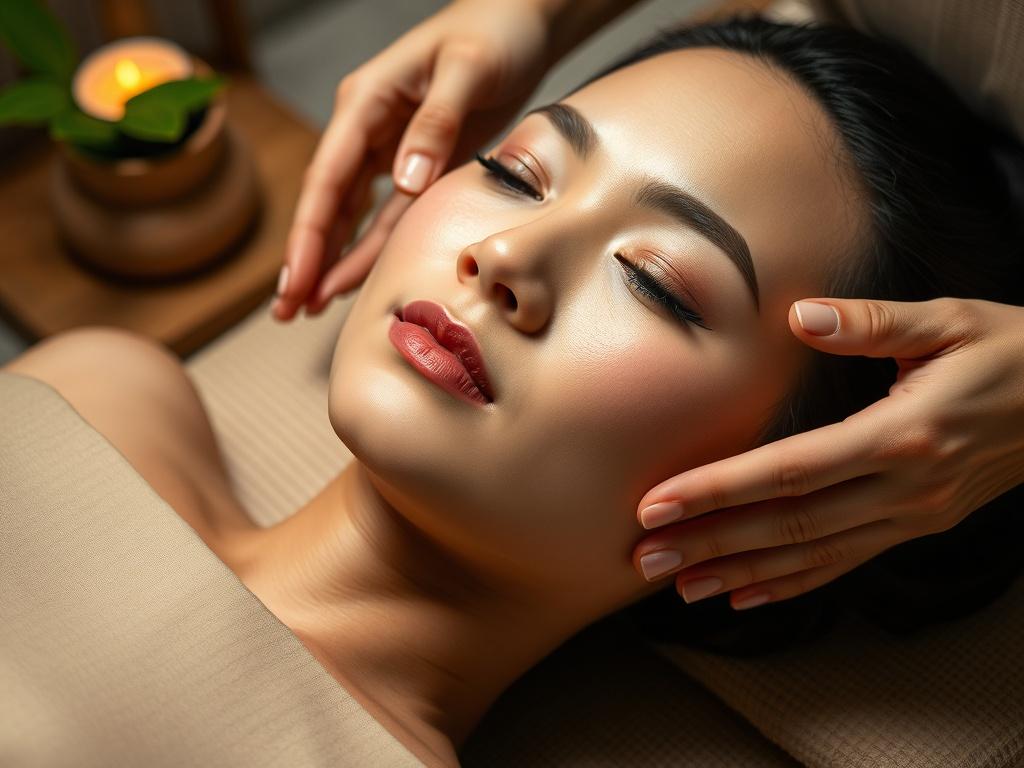
Kobido is a classical Japanese facial massage, sometimes called the “ancient way of beauty.” It combines rapid, rhythmic techniques with gentle stretches and lymphatic drainage to refresh facial tone and skin vitality. Movements are precise and can feel almost dance-like under the hands.
Women choose Kobido not just for cosmetic effects but for the calming ritual: stimulated circulation, reduced puffiness, and improved expression-line mobility. Unlike aggressive spa treatments, Kobido emphasizes balance and skin health rather than dramatic, short-lived results.
Benefits for women: beyond relaxation
Japanese massage styles offer both immediate relaxation and longer-term functional gains. Many women report fewer headaches, reduced pelvic or menstrual discomfort, and improved sleep after a series of treatments.
Physical benefits often go hand in hand with emotional ones. A consistent massage routine can lower stress hormones, increase parasympathetic tone, and create a reliable window of respite in a busy life. For women juggling multiple roles, that consistent downshift can be transformative.
- Reduced muscle tension in neck, shoulders, and lower back
- Improved circulation and lymphatic drainage
- Support for menstrual pain and pelvic discomfort
- Enhanced sleep quality and lowered anxiety
- Non-invasive facial rejuvenation with Kobido
What to expect during a session
Expect a conversation first: a good practitioner will ask about your health history, pain patterns, and goals. You’ll discuss pressure preferences and any areas to focus on or avoid. This dialogue matters—women’s bodies change with hormones, pregnancy, and life stages, and informed adjustments make the session safer and more effective.
The setting and the clothing depend on the technique. Shiatsu is commonly done fully clothed on a mat; Anma can be performed on a table with light clothing or towels; Kobido is performed on a reclining facial table, often with products for glide. Communication during the session is normal—say if pressure is too strong or if a movement causes discomfort.
- Initial consultation and posture assessment
- Positioning: mat or table, clothed or draped
- Technique: pressure, kneading, percussion, or facial movements
- Post-session advice: stretches, hydration, activity modifications
Choosing a practitioner and safety considerations
Selecting the right therapist matters as much as choosing the technique. Look for formal training, clear communication, and experience with women’s health issues if that’s your focus. Licensing requirements vary by region, so ask about credentials and whether they have additional training in prenatal care, pelvic pain, or oncology massage if relevant.
There are a few safety points to keep in mind: avoid deep abdominal work during early pregnancy unless the therapist is specially trained; disclose any blood-clotting conditions, recent surgeries, or active infections; and be cautious with aggressive techniques if you have osteoporosis or thin skin.
| Style | Primary focus | Typical session length | Best for |
|---|---|---|---|
| Shiatsu | Meridian pressure and energy balance | 45–90 minutes | Stress-related pain, digestive or sleep complaints |
| Anma/Amma | Muscle kneading and circulation | 30–60 minutes | Tight muscles, circulation issues, chronic tension |
| Kobido | Facial tone and lymphatic drainage | 45–75 minutes | Facial rejuvenation, puffiness, expression lines |
Home self-care inspired by Japanese techniques
You don’t need to be a practitioner to apply small elements of these traditions at home. Short daily rituals—gentle self-massage of the neck, simple tapping along the shoulders, or a five-minute facial routine—can maintain mobility and calm between professional sessions.
Keep it gentle and mindful. Use fingertips, knead softly with the heel of the hand, and aim for steady, rhythmic strokes rather than brute force. If you’re using oil for facial work, choose a light blend and always move toward lymph nodes to encourage drainage rather than congestion.
- Neck release: gentle circular thumb motions at the base of the skull
- Shoulder tapping: light percussion to stimulate circulation
- Facial lift: upward glides from jawline to cheekbones, ending at temples
- Breath pairing: slow exhale with each stroke to deepen relaxation
Communicating your needs and preferences
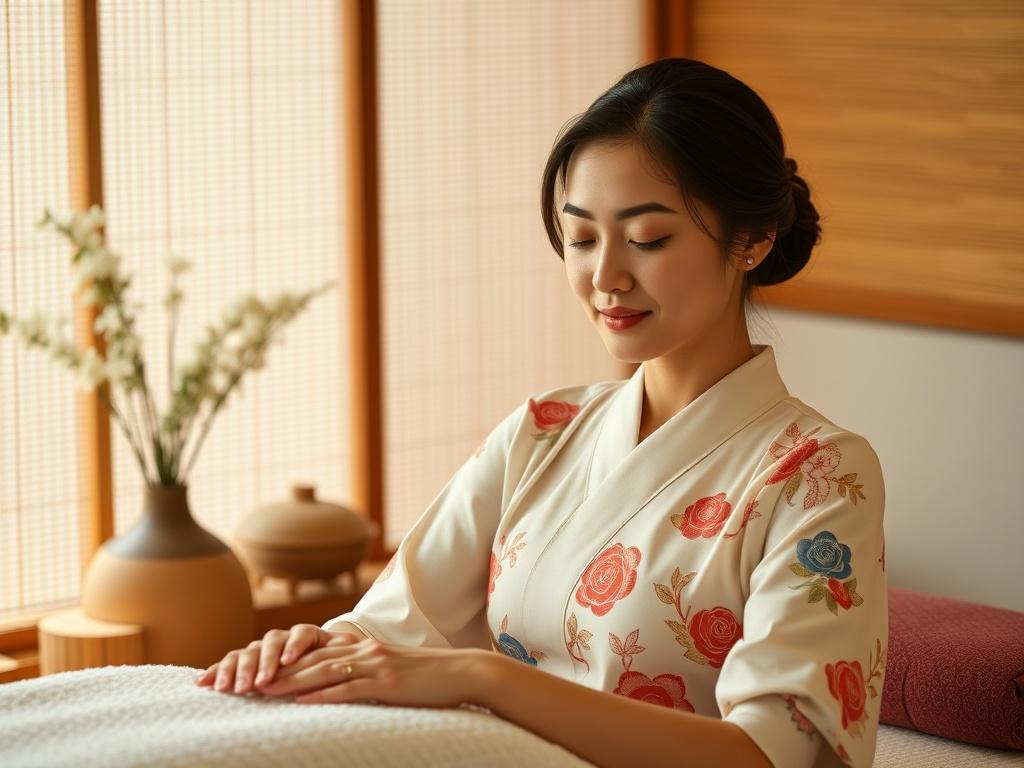
One often overlooked skill is asking for what you need. Tell your therapist about areas you want emphasized and any sensitivity you have. Women sometimes assume pain is required for benefit; in Japanese approaches, useful pressure is precise rather than merely forceful.
If you’re attending sessions during different life stages—pregnancy, postpartum, menopause—bring that context forward. Good practitioners will adapt techniques, provide safe alternatives, and suggest follow-up care such as stretches or pelvic floor work if appropriate.
Practical tips for first-timers
For a comfortable first experience arrive a few minutes early to fill out intake forms and ground yourself. Wear loose, breathable clothing if you expect hands-on bodywork on a mat, or bring a robe if you prefer table work and want extra warmth between transitions.
Hydrate afterwards and give yourself gentle movement rather than jumping back into intense workouts. Track how you feel over the following 24–72 hours; cumulative improvements often appear with a few spaced sessions rather than after a single visit.
Conclusion
Japanese massage offers women a thoughtful blend of tradition and practical care—techniques tailored to ease tension, support hormonal and reproductive health, and nurture facial vitality—with styles ranging from the meridian-focused Shiatsu to the rhythmic Anma and the delicate artistry of Kobido; by choosing a trained practitioner, communicating openly about health and preferences, and combining professional sessions with simple home rituals, many women find measurable, lasting improvements in comfort, restfulness, and everyday resilience.