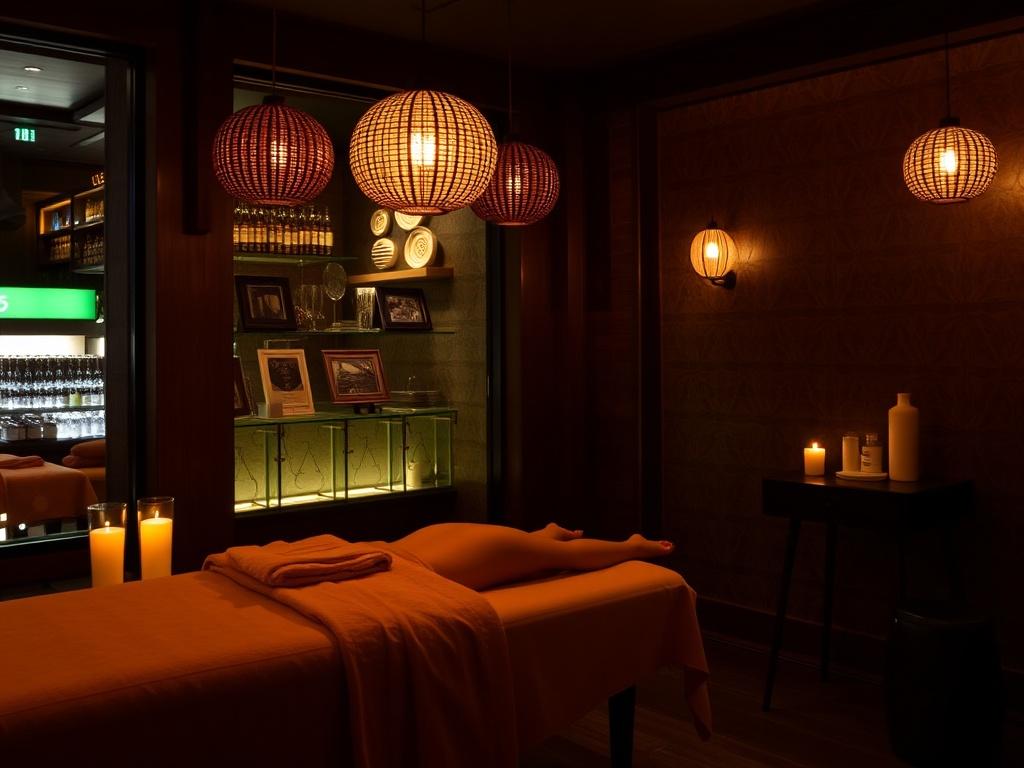

What people mean by “nude massage”
Nude massage often means a therapeutic bodywork session in which the client disrobes to some degree and uses draping for modesty. In many professional settings that offer bodywork, the practitioner will ask clients to remove clothing and will cover areas not being worked on with sheets or towels, maintaining a focus on comfort and therapeutic outcomes. This is different from erotic or sexual services; reputable clinics make their therapeutic goals and boundaries clear from the start.
Because the phrase can carry different connotations depending on culture and location, it helps to ask providers how they define their services. Some spas market “bodywork” or “skin-on-skin” techniques while keeping strict protocols around consent and positioning. Others may offer nudity as a personal preference for relaxation or deeper muscle access, but always within a professional framework.
Legal and ethical considerations in Midtown
Cities and states have different laws governing massage and intimate contact. Licensed massage therapists are generally required to follow codes of conduct that prohibit sexual activity during sessions. In Midtown—or any urban center—verify that a provider holds an active license, posts business information publicly, and operates from a legitimate clinic or spa. These details reduce the risk of encountering services that are illegal or exploitative.
Beyond the law, ethics matter. A professional will explain what to expect, how draping is used, and how to communicate boundaries. Consent should be explicit and ongoing; that means you can set limits at any point and the therapist respects them. If something feels pressured, ambiguous, or unsafe, it’s a red flag—leave, seek a refund if appropriate, and consider reporting the business to local licensing authorities.
Professional standards and what to expect during a session
A session at a reputable Midtown spa usually begins with an intake conversation. Expect questions about health history, pain points, pressure preferences, and any reasons you want the massage. The therapist will explain draping procedures, areas that are off-limits, and the type of table and oils they use. Clear communication up front prevents misunderstandings and sets a professional tone.
During the massage, draping is the standard method for maintaining modesty: sheets or towels cover areas not being treated, and only the region being worked on is briefly uncovered. Most therapists also give verbal cues—letting you know when they will work closer to sensitive areas. If you’re unsure whether to disrobe fully, ask how therapists handle coverage. Many people choose to keep underwear on; others prefer full disrobing under a sheet. The right choice is the one that makes you most comfortable.
How to find a reputable provider
Finding a credible therapist in Midtown involves a handful of practical checks and some instinct. Start by searching licensed directories and professional associations, and read recent client reviews for patterns rather than single comments. Confirm the business address, hours, and licensing information before booking. Legitimate clinics will have clear cancellation policies and transparent pricing.
When you call or message, notice how the staff responds. Helpful, clear answers about session structure and boundaries are a good sign. If they dodge questions about draping, licensing, or the therapist’s training, consider that a warning. Trust your gut—if something feels off in the booking conversation, look elsewhere.
- Check licensing and certifications
- Read multiple recent reviews for consistency
- Ask about draping, policies, and therapist training
- Confirm the clinic’s physical address and hours
- Avoid providers that make sexual promises or are evasive
| Professional Signs | Red Flags |
|---|---|
| Posted license and business registration | No posted credentials or evasive answers |
| Clear draping and consent policy | Vague about draping or pressure to disrobe fully without explanation |
| Booked appointments in a licensed clinic | Cash-only, unlisted location, or ad-hoc settings |
| Professional intake and health screening | Immediate focus on sexual aspects or intimate touching beyond scope |
Preparing for your appointment and etiquette
Plan to arrive a few minutes early to complete any intake paperwork and to calm into the space. Showering beforehand is courteous and can make the experience more pleasant for both you and the therapist. Bring comfortable clothing for after the session—many people prefer loose garments immediately post-massage to maintain the relaxed state.
During the session, verbal communication is key. If you prefer not to be touched in certain ways, say so. If pressure is too light or too firm, tell the therapist—they can adjust on the spot. Respect the practitioner’s boundaries, too: avoid inappropriate comments or requests. Tipping practices vary, but a standard range is 15–25% for satisfactory service; check local norms and the studio’s policy on gratuities.
- Shower and avoid heavy perfumes
- Arrive early to fill forms and relax
- Communicate pressure and coverage preferences
- Respect boundaries; professional behavior is reciprocal
- Ask about tipping and payment methods in advance
Safety, consent, and communicating boundaries
Safety begins before you walk into the treatment room. Look for a well-maintained facility, clear contact information, and a straightforward cancellation policy. Inside the session, consent is not a one-time checkbox: it’s ongoing. Therapists should pause and check in when approaching sensitive areas and accept a “no” without hesitation.
If a therapist behaves unprofessionally, leave as quickly and safely as you can. When something crosses a boundary, document what happened and consider reporting the incident to the spa manager or the local licensing board. These mechanisms exist to protect clients and to maintain standards across the profession.
Cost, time, and practical considerations
Prices for massage in Midtown vary widely by establishment, therapist experience, and session length. Typical options include 60-, 75-, and 90-minute sessions, with longer sessions allowing more time for slow, methodical work. Expect to pay more for highly specialized therapies or for therapists with advanced certifications. Always confirm the total cost—including taxes, fees, and whether tips are handled separately—before committing.
Time matters, too. A longer session lets a therapist work more thoroughly and gives you breathing room between targeted areas. If you’re curious but cautious, consider a shorter session first to see how the therapist matches your comfort levels and communication style. Think of this as an investment in finding a provider you trust.
Alternatives and complementary options
If nude massage feels intimidating or isn’t available in your area, consider alternatives that preserve similar benefits. Clothed bodywork, sports massage, and myofascial release techniques offer deep tissue benefits without full disrobing. Couples massages provide a shared environment for two people while maintaining professional boundaries, and many spas offer private rooms for comfort.
Complementary practices—stretching classes, yoga, physical therapy, and guided relaxation—can extend the benefits of a single session. If your goal is pain relief or improved mobility, discuss a plan that blends in-clinic treatments with at-home care. A responsible therapist will help you set realistic expectations and recommend supplementary practices.
Questions to ask before you book
Before you schedule, a quick checklist of questions can save time and avoid awkwardness later. Ask whether therapists are licensed, how draping is handled, what’s included in the price, and whether there are written consent forms. If you have specific health conditions, disclose them so the therapist can tailor the session or advise against certain techniques.
Also inquire about cancellation policies, late arrival rules, and whether the spa accepts your preferred payment method. If a business hesitates to answer routine questions, that hesitation is itself informative—choose a provider that welcomes open conversation and places client safety and comfort at the forefront.
Conclusion
If you’re considering a nude massage in Midtown, do a little homework: verify licensing, ask about draping and consent, read recent reviews, and phone the clinic with clear questions; a professional, respectful therapist will welcome your queries and create a safe, therapeutic space, while unclear answers or pressure to accept services outside your comfort zone are strong signs to walk away and look for another provider.