
What is nuru masaj?
Nuru masaj refers to a style of body-to-body massage that emphasizes long, gliding contact between two people using a very slippery gel. The name comes from Japanese words associated with smoothness; in practice it’s known for the sensation of close, continuous sliding rather than the isolated kneading and pressing of many traditional massages. That tactile quality makes it distinct: the massage is less about deep tissue manipulation and more about fluid motion and connection.
Because the technique often involves extensive skin contact and sometimes partial or full nudity, contexts vary widely. In therapeutic or holistic settings the focus may be relaxation and increased body awareness. In other settings the massage can take on erotic connotations. Regardless of the context, clear communication and consent are essential before a nuru masaj session begins.
Origins and cultural context
Nuru-style bodywork has roots in Japan and became more widely known internationally in the late 20th century. Originally developed as a form of close-contact bodywork, it adapted traditional elements of Japanese massage with an emphasis on sliding and flowing movements. Over time it has been adopted and modified across cultures, appearing in professional spa menus, private practices, and instructional formats.
How it is perceived depends strongly on local culture and regulation. Some places classify nuru sessions as legitimate spa services, while others treat them as erotic services subject to different laws and social norms. That cultural and legal variety is why responsible practitioners and clients discuss boundaries, services offered, and local rules before scheduling an appointment.
How it works — techniques and materials
A typical nuru masaj session uses a specially formulated gel applied to both participants and a waterproof surface. The practitioner uses long, controlled sliding motions so that larger areas of skin glide smoothly together. The movements are deliberate and rhythmic; the goal is to create a flowing experience that relaxes muscles and encourages sensation across the whole body rather than focusing on isolated knots.
Space, temperature, and materials matter. Because the gel is very slippery, practitioners prepare a stable surface and non-slip flooring, towels for absorption, and warm water for rinsing. Sessions usually begin with a conversation to set expectations and end with a clean-up phase to avoid slips and to maintain hygiene.
Common items used in a session include:
- Specialized slippery gel designed for nuru use.
- Waterproof sheets or vinyl pads to protect the surface and improve safety.
- Towels, warm water, and mild cleansers for aftercare.
- Good lighting and a comfortable, warm room temperature.
Nuru gel: ingredients and safety
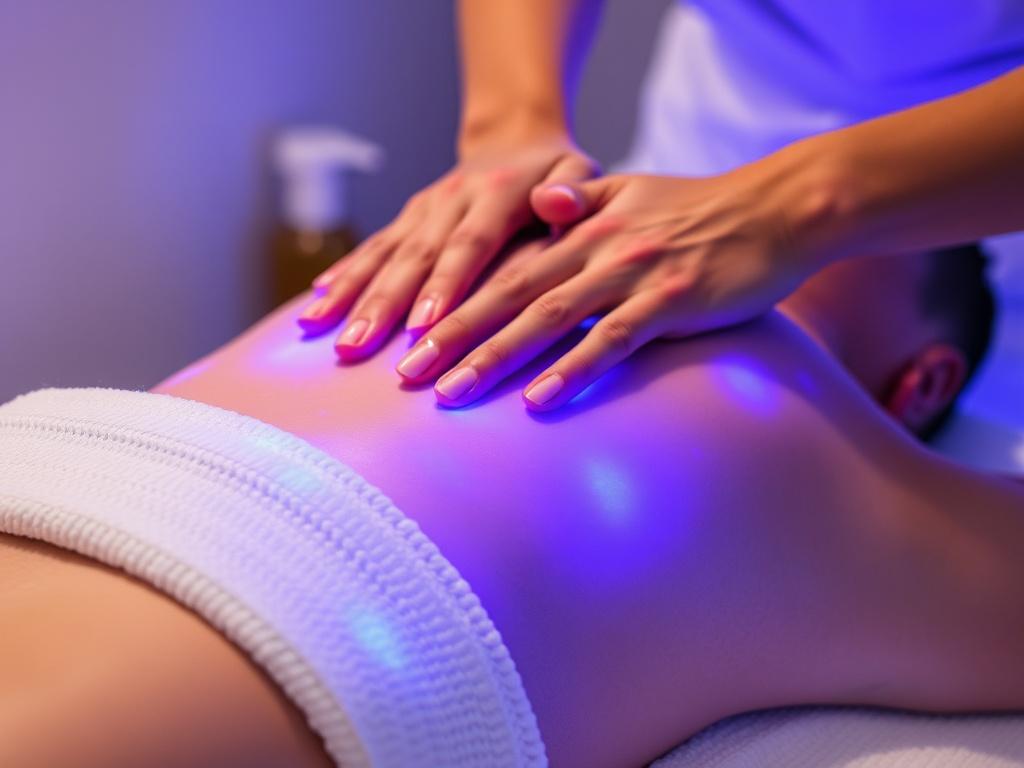
Nuru gel is the signature element. Commercial formulas most often use a base of seaweed or plant-derived polymers combined with purified water and humectants like glycerin to create a thick, translucent, highly slippery medium. Some products are formulated to be odorless and hypoallergenic, but not every formula suits every person.
Choosing a gel with clear ingredient labeling matters. People with sensitivities to marine extracts, preservatives, or fragrances should test a small amount on the skin first and read labels carefully. Using a high-quality, pH-balanced product reduces irritation and makes cleanup easier.
| Ingredient | Typical role | Potential concerns |
|---|---|---|
| Seaweed extract | Provides slippery texture and viscosity | Possible marine allergies; variable sourcing |
| Glycerin | Humectant that retains moisture | Generally low allergy risk; sticky if not rinsed |
| Preservatives | Prevent microbial growth | Some people are sensitive to certain preservatives |
| Fragrance | Aesthetic scent | Can cause irritation or trigger allergies |
Techniques and boundaries
Technically, nuru masaj relies on controlled pressure, timing, and body positioning. Practitioners use their torso and limbs to create broad contact areas and perform sliding transitions. These techniques require practice to maintain rhythm, avoid accidental force, and keep the session safe for both people.
Boundaries should be explicit before any session. Agreements on areas to avoid, acceptable levels of pressure, duration, and whether the session is therapeutic or erotic prevent misunderstandings. Many professional practitioners have written consent forms and a clear code of conduct that cover privacy, cancellation, and hygiene protocols.
Basic etiquette for safe sessions includes:
- Discussing health conditions, allergies, and expectations up front.
- Agreeing on signals to pause or stop the session at any time.
- Maintaining a professional environment: single-use supplies when appropriate, clean linens, and transparent pricing.
Benefits and risks
0
Those who seek nuru-style bodywork often report a strong sense of relaxation, increased skin hydration, and heightened body awareness. The long, flowing contact can soothe tension in broad areas and shift mental focus away from stress. For some, the unusual sensory input is meditative.
That said, the practice carries some risks. The slippery surface increases the chance of falls if proper support isn’t in place. Allergic reactions to gels or inadequate cleaning can lead to skin irritation or infection. There are also legal and ethical risks when sessions blur the line between therapy and sexual services, so both practitioners and clients should be clear about the nature of the appointment.
Helpful safety tips:
- Patch-test any gel on a small skin area before full use.
- Ensure the room and surface provide traction and stability.
- Confirm the practitioner’s hygiene practices and credentials.
- Have towels and warm water ready for immediate cleanup.
Finding a practitioner and legal considerations
Finding a reputable practitioner requires careful vetting. Look for licensed massage therapists or established spa facilities that list nuru-style sessions explicitly and describe their training and hygiene practices. Read reviews, ask for references, and inquire about insurance and regulatory compliance. A professional provider will be transparent about what is and isn’t included in the session.
Legal rules vary by jurisdiction. In some locations nuru masaj is offered as a legitimate spa treatment; in others it may be regulated under laws governing erotic services. Before booking, check local regulations and the policies of the establishment. If you’re unsure, ask whether sessions are documented in a professional treatment format and whether the practitioner carries liability insurance.
A quick checklist when contacting a provider:
- Do they require written consent and a health intake form?
- Are their facilities clean and private?
- Do they explain payment, cancellation, and refund policies?
- Can they provide references or credentials?
DIY nuru masaj at home: practical guidance
0
Some people experiment with nuru-style sliding at home. If you choose to do so, prioritize safety and comfort. Use a small area with easy-to-clean flooring, place a waterproof sheet or plastic tarp under a thick towel, and keep towels and warm water close by. Avoid doing anything that requires complex positioning without a stable support or spotter.
Start slowly. Communicate constantly with your partner about what feels good and what doesn’t. Use a modest amount of gel to control slipperiness; excessive product can make it difficult to maintain safe grip and balance. After the session, rinse thoroughly and moisturize skin if needed. If irritation appears, stop use and consult a healthcare professional.
Common myths and misconceptions
A few persistent myths distort public perception. One is that nuru masaj is inherently sexual or exploitative; in truth, context and intent matter. Many legitimate spas offer bodywork inspired by nuru principles for relaxation alone. Another misconception is that the gel is harsh or chemically dangerous—while low-quality products exist, reputable gels are formulated for skin safety and typically list ingredients clearly.
Finally, some assume the technique is only for couples. While nuru-style contact can be part of intimate partner experiences, trained practitioners also offer it as a standalone therapeutic modality. The key difference is clarity: whether the session is aimed at relaxation, therapeutic benefit, or erotic expression should be stated clearly beforehand.
Conclusion
Nuru masaj is a distinctive form of body-to-body work that centers on smooth, flowing contact using a special gel. It can offer deep relaxation and a striking sensory experience, but it also requires attention to consent, hygiene, and legal context. Whether you seek a professional session or try a gentle at-home version, clear communication, high-quality materials, and practical safety measures make the difference between an awkward mishap and a safe, enjoyable experience.