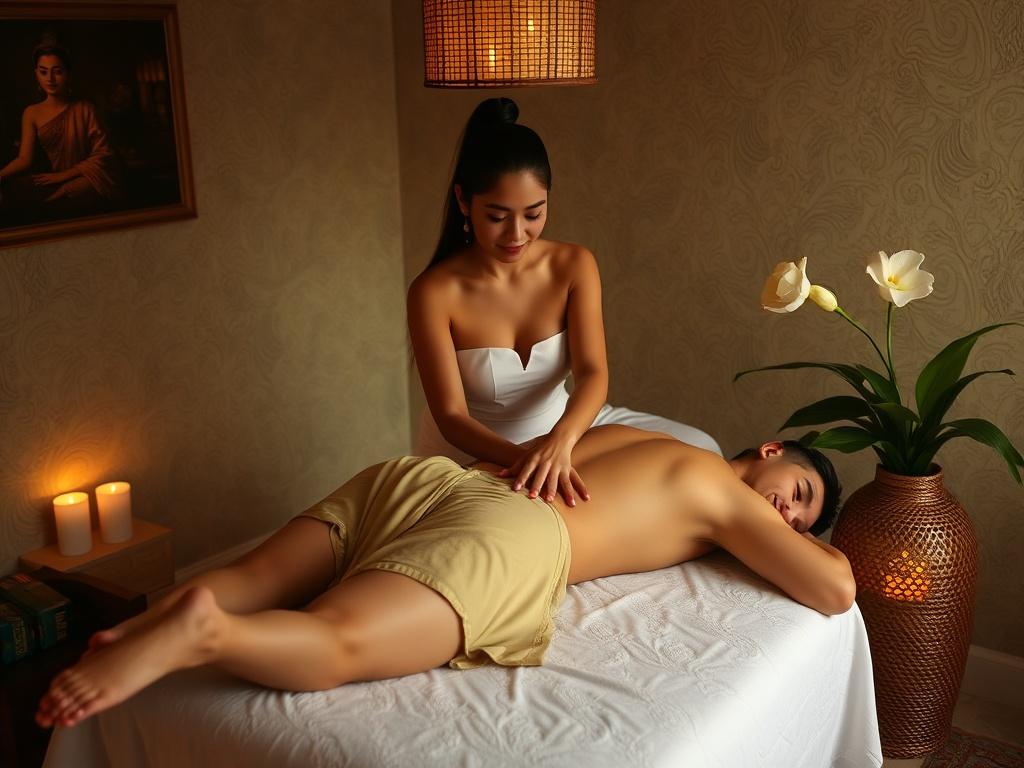

Thai massage is a hands-on bodywork tradition with roots in Southeast Asian healing arts. It combines passive stretching, rhythmic compression, and guided movement to ease tension and encourage mobility. In many places the term appears alongside other search terms—sometimes even as «thai massage xxx»—which can blur the line between legitimate therapeutic practice and adult-oriented services; this article helps you separate the two and make an informed choice.
Whether you are curious about the effects on chronic pain, considering a first session, or want to learn how to spot a qualified practitioner, the following sections walk through history, techniques, benefits, safety, and sensible questions to ask. The aim is practical: clear expectations, useful red flags, and a better sense of what genuine Thai massage looks and feels like.
What Thai Massage Is — Origins and Philosophy
Traditional Thai massage, often called Nuad Boran or Thai yoga massage, developed over centuries from a blend of Indian Ayurvedic medicine, Chinese acupressure, and indigenous Thai healing practices. It has a very different feel from Western-style massages: work is usually performed on a mat on the floor, the client stays clothed in loose garments, and the practitioner uses palms, thumbs, elbows, knees, and feet to apply pressure and guide stretches.
The underlying idea is not merely to knead muscles but to restore balance and flexibility through movement and pressure applied along energy pathways traditionally called sen. Sessions can resemble assisted yoga: the practitioner moves your body into stretches and holds positions to open hips, lengthen the spine, and release tightness along major muscle groups.
Techniques and What Happens During a Session
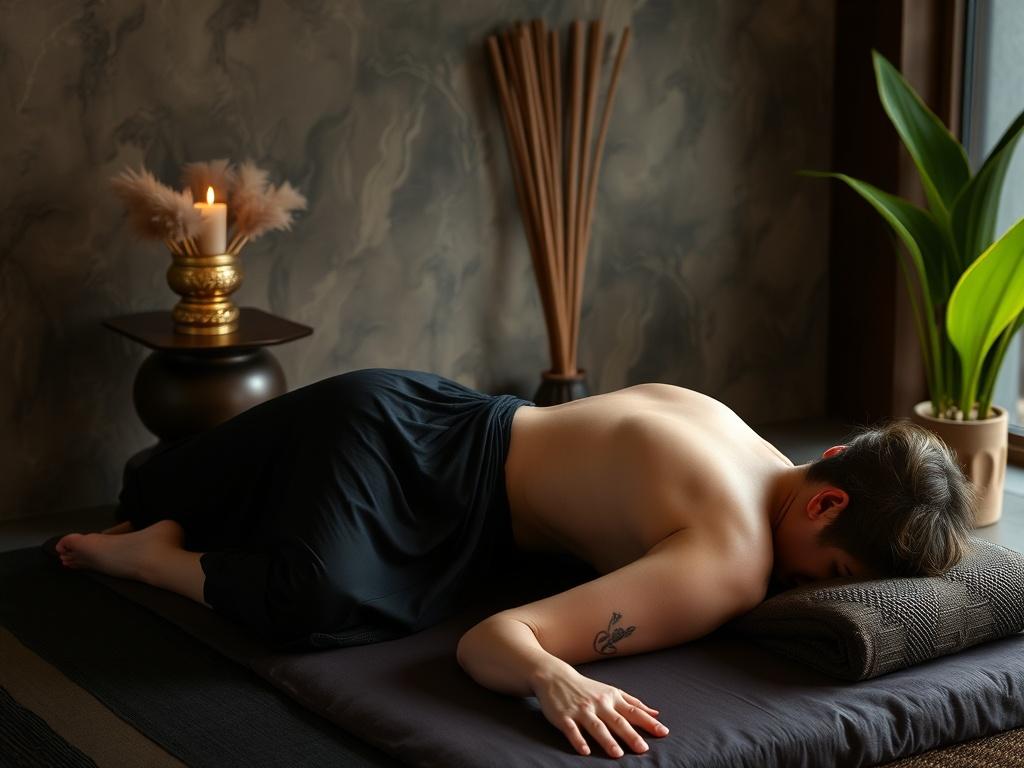
A typical Thai massage session follows a flow of techniques rather than isolated strokes. Pressure is applied in steady, deliberate patterns; stretches are held and released; and attention is paid to breath and rhythm. The touch can be firm, and because there is an active stretching component, you may feel stronger sensations than in a gentle oil massage.
Some clinics offer variations that emphasize relaxation, others that focus on athletic recovery or pain relief. Practitioners trained in traditional Thai methods often integrate acupressure, joint mobilizations, and passive stretches in an intuitive sequence tailored to each person’s stiffness and range of motion.
Common elements you might experience include:
- Slow rhythmic compressions along the limbs and torso.
- Assisted stretches similar to partner yoga poses.
- Press-and-release work on known tension areas: shoulders, hips, lower back.
- Breath coordination and brief pauses to assess response.
Benefits People Seek from Thai Massage
People choose Thai massage for many reasons: improved flexibility, reduced muscle tension, relief from chronic low back pain, and a feeling of mental clarity after the session. Because the technique incorporates stretching, it can be particularly helpful for clients who want to regain or maintain range of motion without the intensity of active exercise.
Clinical studies and anecdotal reports suggest benefits for posture-related pain and mobility. Athletes sometimes use Thai massage as part of recovery because it blends soft tissue work with joint mobilization. That said, results vary by practitioner skill, client condition, and session frequency.
| Typical Session Length | Main Focus | What to Expect |
|---|---|---|
| 30–45 minutes | Targeted relief | Short, focused work on problem areas; lighter stretching |
| 60–90 minutes | Full-body session | Sequential flow, deeper stretches, comprehensive attention |
| 120 minutes | Intensive therapy | Extended hands-on time, restorative sequences, detailed assessment |
Safety, Contraindications, and Professional Standards
Thai massage involves firm pressure and joint movement, so it’s not appropriate for everyone. People with uncontrolled high blood pressure, recent fractures, acute inflammation, or certain cardiovascular conditions should avoid deep bodywork until cleared by a physician. Pregnancy requires a practitioner trained in prenatal adaptations.
Ask any potential practitioner about their training and current first-aid or CPR certification. In many countries, bodywork is regulated; in others, it’s not. That makes it important for clients to rely on transparent credentials, clear hygiene practices, and an environment where client comfort and consent come first.
Finding a Reputable Practitioner — Avoiding Confusion with «xxx» Listings
Online searches for «thai massage xxx» can lead to mixed results, especially in areas where the phrase is used to advertise illicit services. If your goal is therapeutic work, learn how to distinguish a clinic from an adult-oriented listing. Legitimate therapeutic centers emphasize training, list credentials, explain techniques, and offer private, comfortable spaces with clear draping policies.
When evaluating a practitioner, consider these questions: Where did they train? Do they have references or reviews from clients describing therapeutic outcomes? Do they ask about your health history before beginning? Is there clear communication about how much pressure you prefer and whether stretches are comfortable? A qualified practitioner will welcome these questions and respect boundaries.
- Red flags: evasive answers about training, insistence on undraped sessions, pressure to exchange services outside the clinic.
- Positive signs: detailed intake form, clear scope of practice, referrals from healthcare providers, visible continuing-education certificates.
Cost, Etiquette, and What to Ask Before Booking
Prices vary widely by region, experience, and length of the session. While cost is a factor, the cheapest option isn’t always the best choice for therapeutic outcomes. Look for transparent pricing and avoid businesses that advertise ambiguous services. Many reputable practitioners include time for intake and aftercare guidance within their session lengths, while some charge separately for extended consultations.
Before your session, ask about clothing—Thai massage is often done with the client fully clothed in loose, comfortable garments—and whether you should arrive hydrated or have recently eaten. Clarify cancellation policies and how the practitioner handles discomfort during stretches: a professional will stop or modify pressure when asked.
Preparing for a Session and Aftercare
Preparation is simple but important. Wear comfortable, loose clothing that allows freedom of movement; avoid jewelry that can press into the skin during stretches. Arrive a few minutes early so you can fill out intake forms and discuss any current aches, medications, or recent injuries.
Aftercare typically involves gentle movement, light hydration, and taking time to notice how your body feels over the next 24–48 hours. Some soreness after a deep session is normal, but if you experience sharp or worsening pain, contact your practitioner or healthcare provider. A good therapist will give you exercises or simple stretches to maintain gains from the session.
Home Practice, Learning Resources, and Continuing Care
If you like the idea of practicing some aspects at home, there are safe ways to adopt elements of Thai-style stretching without a partner. Guided mobility routines, gentle yoga sequences, and self-compression techniques can echo parts of a practitioner’s work. Use reputable sources—qualified teachers, certified courses, and clinics that teach public workshops—rather than random online videos.
For those interested in deeper learning, many schools offer courses in traditional Thai massage for different levels. If you pursue training, verify that the curriculum covers anatomy, contraindications, ethics, and hands-on practice with feedback. Lifelong learning matters in bodywork: small changes in technique can significantly affect client safety and outcomes.
Conclusion
Thai massage is a distinctive, movement-based form of bodywork that can improve flexibility, ease chronic tension, and support recovery when delivered by trained practitioners. Because of variations in regulation and the unfortunate overlap with adult-oriented listings, it helps to be proactive: ask about training, check for clear professional standards, and trust your comfort level during a session. With thoughtful choices, Thai massage can be a valuable part of a balanced self-care routine.